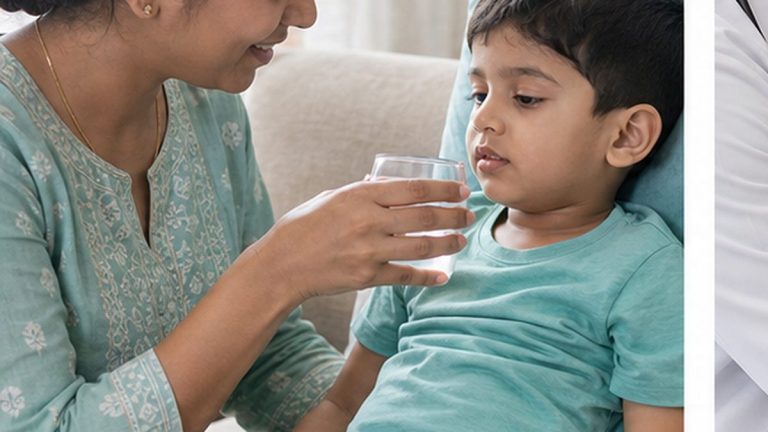


Protect Your Child from Dengue with Early Recognition, Proper Care & Timely Medical Treatment | SR Hospital & Maternity Centre, Ghaziabad
Dengue is one of the most common mosquito-borne viral infections affecting children in India, especially during the monsoon and post-monsoon season. Children are more vulnerable because their immune systems are still developing, and dengue symptoms can worsen quickly if not identified and treated early.
Many parents mistake dengue for a common viral fever during the first few days. However, recognizing the warning signs early can help prevent complications and ensure faster recovery.
This complete guide explains dengue symptoms in children, causes, stages, treatment, home care, warning signs, prevention tips, and when parents should visit a hospital.
High Fever? Don’t Ignore Possible Dengue Symptoms in Children.
Early diagnosis and proper medical care are essential to prevent dengue complications in children. SR Hospital provides pediatric consultations, dengue evaluation, blood tests, IV fluid management, and emergency care for children with dengue symptoms.
What Is Dengue?
Dengue is a viral infection caused by the dengue virus, which spreads through the bite of an infected Aedes mosquito. These mosquitoes usually bite during the daytime, particularly in the early morning and late afternoon.
Children can develop mild dengue symptoms, but some may experience severe dengue that requires immediate hospitalization.
How Dengue Spreads
- Bite from an infected Aedes mosquito.
- Mosquitoes breed in clean, stagnant water.
- It does not spread through food, water, or direct contact with an infected person.
Why Children Are More Vulnerable to Dengue
Children often cannot describe their symptoms clearly, making early diagnosis difficult. Their bodies may also lose fluids more quickly during high fever and vomiting.
Risk Factors in Children
- Age below 15 years.
- Weak immunity.
- Previous dengue infection.
- Poor hydration during illness.
- Delay in medical treatment.
Parents should monitor children closely during dengue season.
Early Dengue Symptoms in Children
The first symptoms usually appear 4–10 days after a mosquito bite.
Common Early Symptoms
- Sudden high fever (102°F–104°F).
- Severe headache.
- Pain behind the eyes.
- Body aches and muscle pain.
- Joint pain.
- Loss of appetite.
- Weakness and fatigue.
- Nausea or vomiting.
Young children may become unusually irritable or sleepy instead of complaining about pain.
Day-by-Day Dengue Symptoms in Children
| Day | Symptoms |
| Day 1–2 | High fever, tiredness, headache, body pain, poor appetite. |
| Day 3–4 | Fever may continue, vomiting, stomach pain, rash may begin. |
| Day 5–6 | Fever may reduce but danger period may begin. |
| Day 7 onward | Recovery begins if hydration and platelet levels remain stable. |
The period when fever decreases can actually be the most critical stage.
Warning Signs Parents Should Never Ignore

Some children develop severe dengue.
Visit a Hospital Immediately If Your Child Has:
- Persistent vomiting.
- Severe abdominal pain.
- Bleeding from nose or gums.
- Blood in vomit or stool.
- Difficulty breathing.
- Extreme weakness or drowsiness.
- Cold hands and feet.
- Child becomes difficult to wake up.
- Continuous crying or unusual irritability.
- Reduced urine output.
These symptoms require immediate medical evaluation.
Dengue Rash in Children
Many children develop a skin rash during dengue.
Rash May Look Like:
- Small red spots.
- Flat pink patches.
- Rash spreading across arms, legs, and chest.
- Itching during recovery.
A rash alone does not confirm dengue, but it should be evaluated along with fever and other symptoms.
Dengue Fever vs Viral Fever in Children
| Dengue | Viral Fever |
| Sudden high fever. | Gradual fever may occur. |
| Severe body and joint pain. | Mild body aches. |
| Pain behind the eyes. | Usually absent. |
| Skin rash may appear. | Rash is less common. |
| Platelet count may decrease. | Platelets usually remain normal. |
Only medical examination and laboratory testing can confirm dengue.
Dengue Diagnosis in Children
Doctors evaluate symptoms along with blood investigations.
Common Tests
- Complete Blood Count (CBC).
- Platelet Count.
- Hematocrit Test.
- NS1 Antigen Test (early dengue detection).
- IgM/IgG Antibody Test (later stage).
Early diagnosis helps doctors monitor platelet count and hydration.
Platelet Count in Dengue: Should Parents Panic?
A falling platelet count worries many parents, but platelet count alone does not determine disease severity.
Normal Platelet Count
Approximately 150,000–450,000 per microliter.
Important Facts
- Platelets may decrease gradually.
- Doctors monitor overall condition, hydration, bleeding, and hematocrit.
- Platelet transfusion is not needed in every child with low platelets.
Avoid home remedies claiming to increase platelets rapidly without medical advice.
Early Dengue Diagnosis Can Prevent Complications
Don’t Delay Medical Evaluation
High Fever for More Than Two Days? Get Your Child Checked.
SR Hospital offers pediatric consultations, CBC and dengue blood tests, monitoring of platelet count, dehydration management, and emergency care for children with dengue symptoms.
Dengue Treatment for Children
There is no specific antiviral medicine for dengue. Treatment focuses on supportive care.
Treatment May Include
- Fever management with doctor-recommended medication.
- Plenty of oral fluids.
- ORS if dehydration develops.
- IV fluids if necessary.
- Regular monitoring of platelet count and hematocrit.
Important Note
Do not give ibuprofen, aspirin, or certain painkillers unless prescribed, as they may increase bleeding risk.
Home Care Tips for Children with Dengue
Keep Your Child Hydrated
Offer fluids frequently:
- Water.
- ORS.
- Coconut water (if advised).
- Lemon water.
- Fresh soups.
- Breast milk for infants.
Encourage Rest
Children need plenty of sleep and physical rest during recovery.
Monitor Temperature
Check fever regularly and maintain a record.
Track Urination
Reduced urination may indicate dehydration.
Best Foods for Children Recovering from Dengue
Easy-to-Digest Foods
- Khichdi.
- Rice.
- Dal soup.
- Vegetable soup.
- Idli.
- Daliya.
- Banana.
- Papaya.
- Applesauce.
- Curd (if tolerated).
Foods to Avoid
- Oily foods.
- Spicy foods.
- Junk food.
- Soft drinks.
- Sugary packaged beverages.
Small frequent meals are easier for children during recovery.
How Long Does Dengue Recovery Take?
Most children recover within 7–14 days.
Recovery Timeline
| Stage | Expected Recovery |
| Fever Phase | 2–5 days. |
| Critical Phase | 24–48 hours after fever reduces. |
| Recovery Phase | Gradual improvement over the next few days. |
Even after fever disappears, weakness may continue for several days.
Severe Dengue in Children
Severe dengue can affect blood vessels and organs.
Symptoms of Severe Dengue
- Internal bleeding.
- Severe dehydration.
- Low blood pressure.
- Difficulty breathing.
- Shock.
Immediate hospitalization is essential in these situations.
Can Dengue Be Prevented?
Yes. Prevention focuses on avoiding mosquito bites and controlling mosquito breeding.
Mosquito Protection Tips for Children
- Dress children in full-sleeved cotton clothes.
- Use mosquito nets while sleeping.
- Apply child-safe mosquito repellents.
- Install window screens.
- Avoid stagnant water around the home.
How to Prevent Mosquito Breeding at Home
Check your home every week.
Empty Water From
- Coolers.
- Flower pots.
- Buckets.
- Bird feeders.
- Tyres.
- Water tanks.
- Plant trays.
Aedes mosquitoes breed in clean standing water.
When Should Parents Visit a Pediatrician?
Consult a doctor if your child has:
- Fever lasting more than 48 hours.
- Persistent vomiting.
- Refusal to drink fluids.
- Excessive sleepiness.
- Rash with fever.
- Nose or gum bleeding.
- Severe stomach pain.
Early medical evaluation helps prevent complications.
Caring for Your Child During Dengue Recovery
After recovery:
- Continue hydration.
- Offer nutritious meals.
- Avoid strenuous activities for one to two weeks.
- Attend follow-up appointments if advised.
- Monitor for persistent weakness or unusual symptoms.
Most children recover completely with timely medical care.
Frequently Asked Questions (FAQs)
What is the first symptom of dengue in children?
A sudden high fever is usually the first noticeable symptom, often followed by headache, body pain, and fatigue.
Can dengue occur without a rash?
Yes. Many children develop dengue without a skin rash.
Is low platelet count always dangerous?
No. Doctors assess platelet count along with hydration status, bleeding signs, and the child’s overall condition.
How much water should a child drink during dengue?
Hydration needs vary with age and illness severity. Encourage frequent fluids as advised by your pediatrician.
Can dengue happen more than once?
Yes. A child can get dengue more than once because different dengue virus types exist.
Conclusion
Dengue in children can begin like a common viral fever but may become serious if warning signs are ignored. Parents should pay close attention to high fever, vomiting, abdominal pain, bleeding, dehydration, and unusual sleepiness. Early diagnosis, proper hydration, and regular medical monitoring are the most important steps for a safe recovery.
Timely pediatric consultation can help detect complications early and provide the right treatment during every stage of dengue.
Trusted Pediatric & Emergency Care for Children with Dengue
If your child has persistent high fever, vomiting, rash, or suspected dengue symptoms, SR Hospital & Maternity Centre provides expert pediatric consultations, dengue testing, emergency care, and recovery support for children in Ghaziabad.
Book a pediatric consultation for early dengue diagnosis and expert child care.