

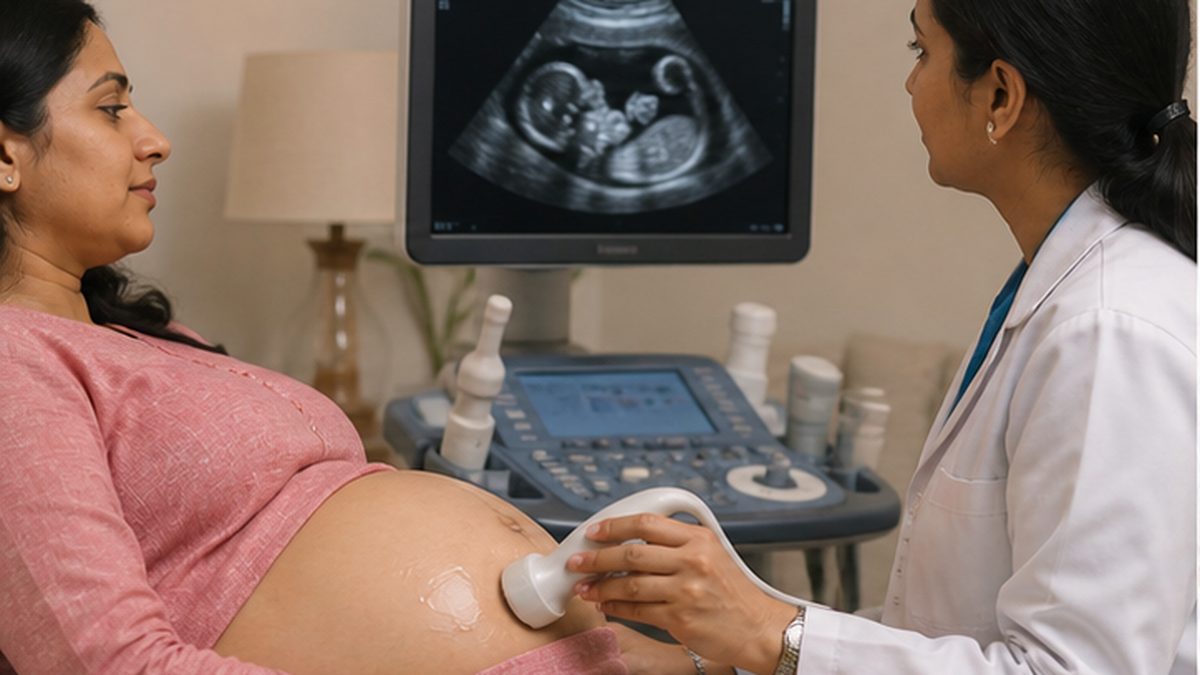
A high-risk pregnancy does not mean that a serious problem will definitely occur. It means that the mother, baby or both may need closer observation, additional tests or care from a more experienced maternity team.
High-Risk Pregnancy Monitoring: What It Means
A high-risk pregnancy does not mean that a serious problem will definitely occur. It means that the mother, baby or both may need closer observation, additional tests or care from a more experienced maternity team.
High-Risk Pregnancy Monitoring: Common Causes and Risk Factors
High blood pressure, diabetes, thyroid disease, significant anaemia, multiple pregnancy, placenta problems, fetal growth concerns and some infections can increase risk. Age, previous miscarriage, premature birth, caesarean complications or a baby affected by a genetic condition may also influence the plan.
High-Risk Pregnancy Monitoring: How to Read the Pattern
Risk can exist before conception, appear during routine testing or develop suddenly later in pregnancy. The label is therefore a working clinical description, not a prediction of the outcome.
A Practical Checklist Before Your Maternity Care Visit
- Attend appointments on the schedule given, even when you feel well.
- Keep blood-pressure, glucose, medicine and scan records together.
- Ask which symptom should lead to a same-day call and which requires emergency care.
- Do not start or stop prescribed medicines, aspirin or supplements without maternity advice.
These steps are meant to preserve useful information and reduce avoidable risk; they are not a substitute for diagnosis. Keep the timeline simple: when the problem began, what makes it better or worse, what has changed, and which medicines or home treatments have already been used.
How High-Risk Pregnancy Monitoring Is Assessed
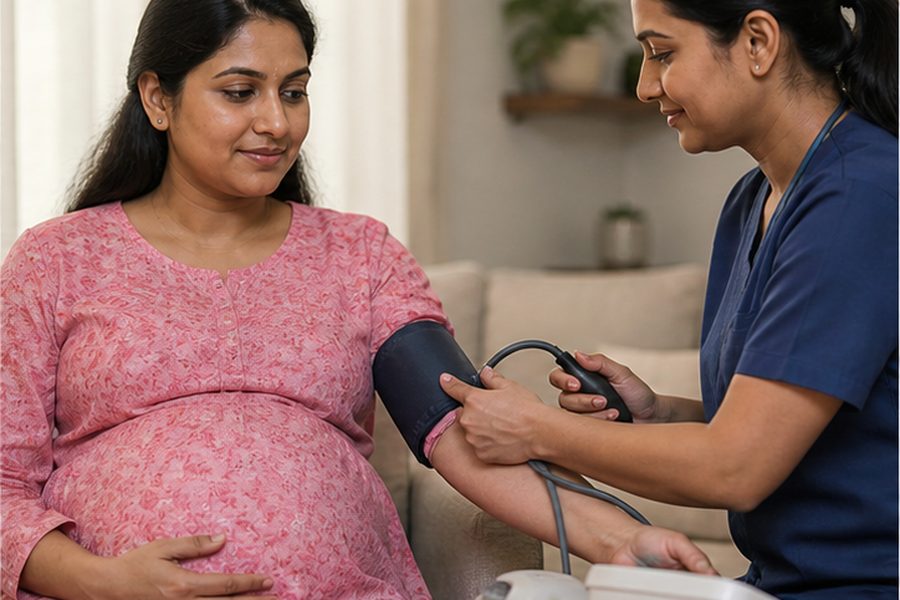
Monitoring may include more frequent blood-pressure and urine checks, blood tests, ultrasound assessment of growth and fluid, Doppler studies, or fetal heart-rate monitoring. The combination depends on the particular risk; not every patient needs every test.
Good testing is targeted. A test should answer a clinical question and its result should be interpreted beside the history and examination. Asking why a test is recommended, what a normal result would mean and what happens next makes the care plan easier to follow.
Urgent Warning Signs Linked to High-Risk Pregnancy Monitoring
- Heavy bleeding or leaking fluid
- Severe headache, visual disturbance or sudden swelling
- Severe abdominal pain, breathlessness, fainting or seizures
- Reduced or changed fetal movement after movements are established
If a person is severely unwell, use local emergency services. Pregnancy, infancy, older age, immune suppression, recent surgery and serious existing disease may lower the threshold for urgent assessment.
Questions to Ask Before Choosing the Next Step
Before agreeing to treatment, ask what diagnosis is most likely, what alternatives remain possible, what improvement should look like and when follow-up is due. Also ask which new symptom would change the plan. This turns a consultation into a clear decision pathway rather than a collection of disconnected tests.
Maternity Care Support in Ghaziabad
For people in Ghaziabad and nearby areas looking for help with high-risk pregnancy monitoring, SR Hospital and Maternity Centre provides access to maternity care. The hospital mention is intentionally placed after the main educational guidance so readers can first understand the issue and then decide what type of care they may need.

FAQs About High-Risk Pregnancy Monitoring
Can a high-risk pregnancy still have a normal delivery?
Yes. The safest mode of birth depends on the reason for increased risk, the baby's position and wellbeing, labour progress and previous obstetric history.
How often are high-risk pregnancy visits?
There is no single schedule. Visits may be closer together than in an uncomplicated pregnancy and may change after symptoms, blood-pressure readings, glucose results or scans.
Does bed rest prevent complications?
Routine bed rest is not a universal treatment and can have disadvantages. Activity advice should be individualised.
Should I buy a fetal Doppler for home use?
A home Doppler cannot confirm that a baby is well and may falsely reassure or alarm. Report reduced movement to maternity care.
What records should I carry?
Bring prescriptions, blood results, ultrasound reports, discharge summaries and a list of current medicines.
Making the Consultation More Useful
A concise record is more valuable than trying to remember everything in the consultation room. Include dates, severity, associated symptoms, relevant exposures and the effect on sleep, eating, movement, work or school. Bring original reports rather than cropped screenshots when possible. If a caregiver observed an event, their account may clarify details the patient could not notice.
Common Mistakes That Delay the Right Care
Common mistakes include repeating another person’s prescription, changing several remedies at once, delaying care because one symptom briefly improved, and ordering broad test panels without clinical direction. These actions can blur the timeline and create confusing results. Safer care starts with the right level of urgency, a focused assessment and a written follow-up plan.
How Follow-Up Protects Against Missed Changes
Follow-up is not only for people who feel worse. It confirms whether the expected recovery occurred, whether results changed the working diagnosis and whether treatment caused side effects. Ask for a specific time frame rather than the vague instruction to return if needed. When symptoms evolve, contact the treating service earlier instead of waiting for the original date.
Final Thoughts
High-risk pregnancy monitoring is easier to manage when decisions are based on the full pattern rather than one isolated symptom or result. Notice meaningful changes, keep useful records, and seek timely care when the problem persists, limits daily life or develops warning signs. You can also explore our blogs for more practical health information.