


A child's growth is a pattern measured over time, not a single number. Some healthy children are naturally small, while a child crossing growth-chart lines or losing weight may need a closer look at feeding, illness and development.
Poor Weight Gain In Children: A Practical Timeline
A child's growth is a pattern measured over time, not a single number. Some healthy children are naturally small, while a child crossing growth-chart lines or losing weight may need a closer look at feeding, illness and development.
Poor Weight Gain In Children: Possible Explanations
Poor intake, feeding difficulty, restrictive diets, recurrent vomiting or diarrhoea, constipation, dental pain, chronic infection and conditions affecting absorption or metabolism can influence weight. Social stress and difficult mealtime interactions may also contribute.
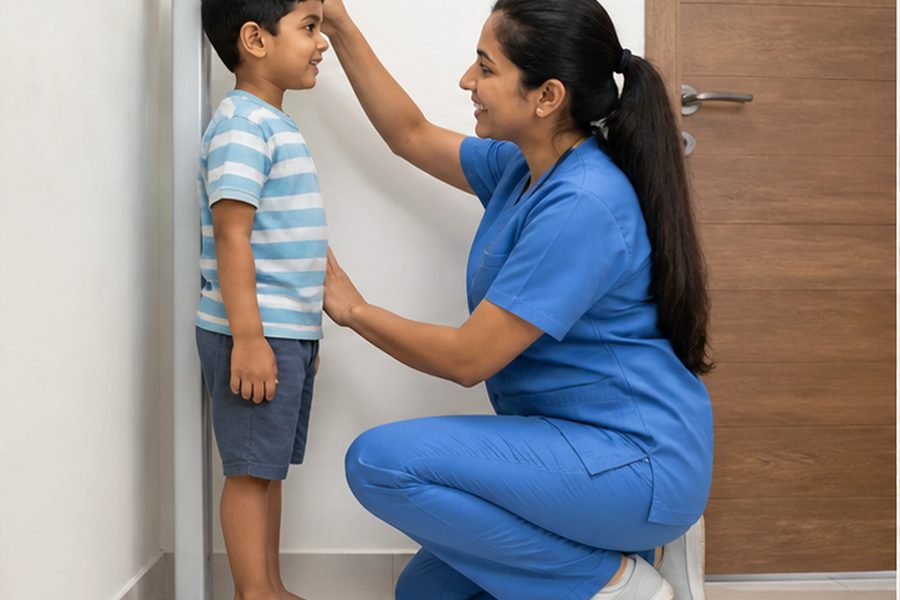
Poor Weight Gain In Children: Deciding Whether to Monitor or Book Care
Weight should be interpreted alongside height or length, head growth in infants, developmental progress, family build and previous measurements. Comparing children with siblings or classmates is less useful than reviewing their individual curve.
Preparing for an In-Person Assessment
- Bring dated height and weight records rather than relying on memory.
- Keep a three-day food and drink record, including portion sizes and snacks.
- Note stool pattern, vomiting, pain, cough, sleep, energy and school attendance.
- Avoid force-feeding or unprescribed appetite stimulants.
These steps are meant to preserve useful information and reduce avoidable risk; they are not a substitute for diagnosis. Keep the timeline simple: when the problem began, what makes it better or worse, what has changed, and which medicines or home treatments have already been used.
How Clinicians Narrow Down the Cause
A pediatric assessment includes accurate measurements, dietary and feeding history, examination and developmental review. Tests are selected only when the history or examination suggests anaemia, infection, thyroid disease, coeliac disease, kidney or liver problems, or another cause.
Good testing is targeted. A test should answer a clinical question and its result should be interpreted beside the history and examination. Asking why a test is recommended, what a normal result would mean and what happens next makes the care plan easier to follow.
Which Symptoms Need Same-Day or Emergency Care?
- Weight loss with marked weakness or dehydration
- Difficulty breathing, persistent vomiting or blood in stool
- A baby who feeds poorly and has fewer wet nappies
- Loss of previously acquired developmental skills
If a person is severely unwell, use local emergency services. Pregnancy, infancy, older age, immune suppression, recent surgery and serious existing disease may lower the threshold for urgent assessment.
What a Useful Follow-Up Plan Should Answer
Before agreeing to treatment, ask what diagnosis is most likely, what alternatives remain possible, what improvement should look like and when follow-up is due. Also ask which new symptom would change the plan. This turns a consultation into a clear decision pathway rather than a collection of disconnected tests.
Pediatrics Support in Ghaziabad
For people in Ghaziabad and nearby areas looking for help with poor weight gain in children, SR Hospital and Maternity Centre provides access to pediatrics. The hospital mention is intentionally placed after the main educational guidance so readers can first understand the issue and then decide what type of care they may need.

FAQs About Poor Weight Gain In Children
What is poor weight gain?
It describes a concerning growth pattern, such as slow gain or downward crossing of growth percentiles, rather than one low measurement.
Are growth percentiles targets?
No. Percentiles describe position compared with a reference population. The direction and consistency of the child's own curve are more important.
Should I give a protein supplement?
Not without assessment. Supplements can displace balanced food or be inappropriate for age and medical conditions.
Can constipation affect appetite?
Yes. Painful or infrequent stools can reduce appetite, but persistent poor growth still needs a broader review.
How often should weight be checked?
The interval depends on age and concern. Excessively frequent home weighing can cause anxiety and obscure the overall trend.
Making the Consultation More Useful
A concise record is more valuable than trying to remember everything in the consultation room. Include dates, severity, associated symptoms, relevant exposures and the effect on sleep, eating, movement, work or school. Bring original reports rather than cropped screenshots when possible. If a caregiver observed an event, their account may clarify details the patient could not notice.
Common Mistakes That Delay the Right Care
Common mistakes include repeating another person’s prescription, changing several remedies at once, delaying care because one symptom briefly improved, and ordering broad test panels without clinical direction. These actions can blur the timeline and create confusing results. Safer care starts with the right level of urgency, a focused assessment and a written follow-up plan.
How Follow-Up Protects Against Missed Changes
Follow-up is not only for people who feel worse. It confirms whether the expected recovery occurred, whether results changed the working diagnosis and whether treatment caused side effects. Ask for a specific time frame rather than the vague instruction to return if needed. When symptoms evolve, contact the treating service earlier instead of waiting for the original date.
Final Thoughts
Poor weight gain in children is easier to manage when decisions are based on the full pattern rather than one isolated symptom or result. Notice meaningful changes, keep useful records, and seek timely care when the problem persists, limits daily life or develops warning signs. You can also explore our blogs for more practical health information.