

Irregular periods, sudden weight gain, acne that refuses to go away, unwanted facial hair, difficulty conceiving, and hormonal imbalance are among the most searched women’s health concerns in India. Many women immediately search PCOS vs PCOD, wondering whether both conditions are the same.
The answer is No. PCOS and PCOD are related but different conditions. Although people often use the terms interchangeably, they affect the body differently and require individualized treatment. Recent clinical guidance also emphasizes that PCOS cannot be diagnosed only because cysts appear on an ultrasound; hormonal symptoms, menstrual irregularity, and metabolic health are equally important.
At SR Hospital & Maternity Centre, our gynecology specialists provide complete diagnosis, hormonal evaluation, pregnancy planning, PCOS management, fertility counseling, ultrasound services, and long-term women’s healthcare under one roof.
Quick Answer
| PCOD | A hormonal condition where ovaries produce immature or partially mature eggs, often manageable with lifestyle changes and medication. |
| PCOS | A more complex hormonal and metabolic syndrome involving irregular ovulation, higher androgen hormones, insulin resistance, and increased long-term health risks. |
Can PCOD become PCOS?
Sometimes hormonal imbalance can worsen if untreated, but PCOD does not automatically become PCOS. A gynecologist evaluates symptoms, hormones, menstrual history, ultrasound findings, and metabolic health before confirming the diagnosis.
What is PCOD?
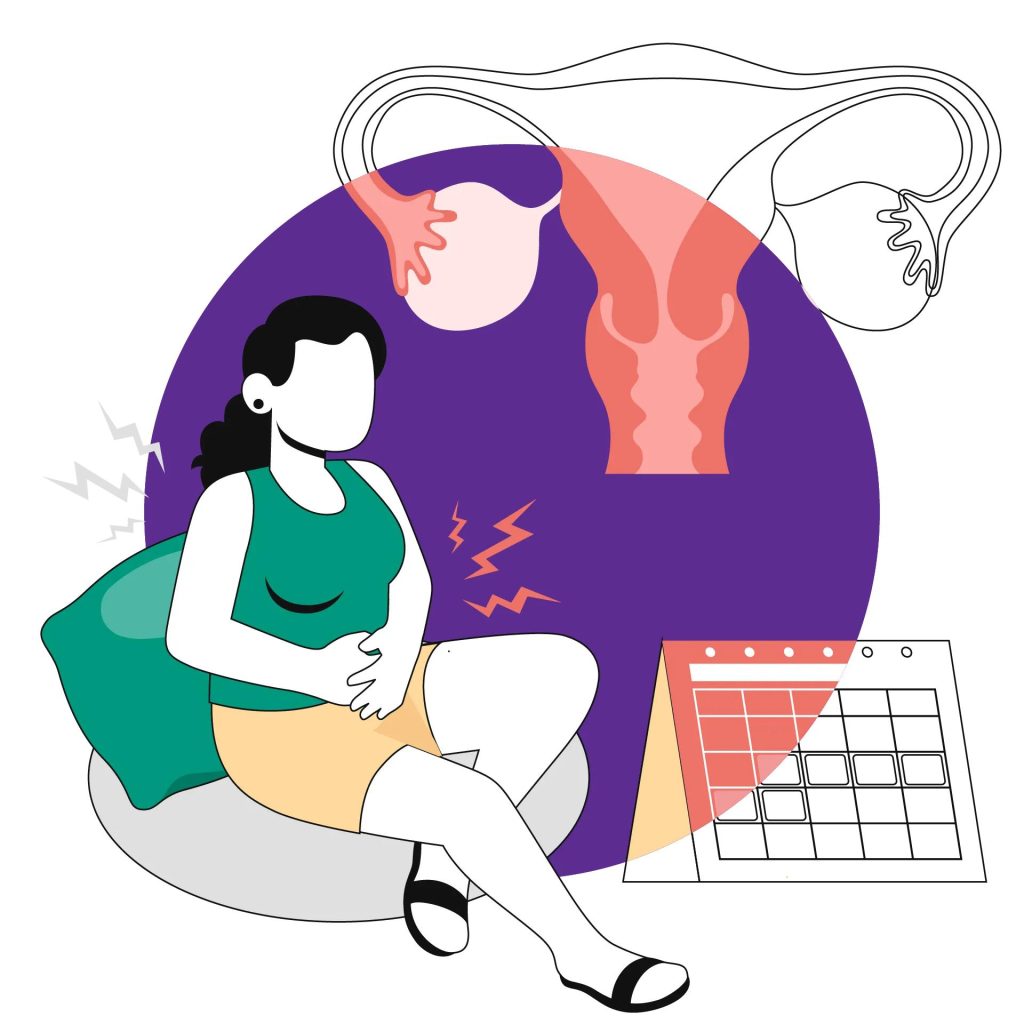
Polycystic Ovarian Disease (PCOD) is a hormonal condition where ovaries release immature eggs that develop into small follicles. These follicles may appear like cysts during an ultrasound.
Common features of PCOD
- Irregular menstrual cycles.
- Mild hormonal imbalance.
- Acne and oily skin.
- Weight gain.
- Difficulty losing weight.
- Hair thinning.
- Delayed ovulation.
PCOD is generally considered milder and many women successfully manage it through healthy eating, exercise, and medication prescribed by a gynecologist.
What is PCOS?
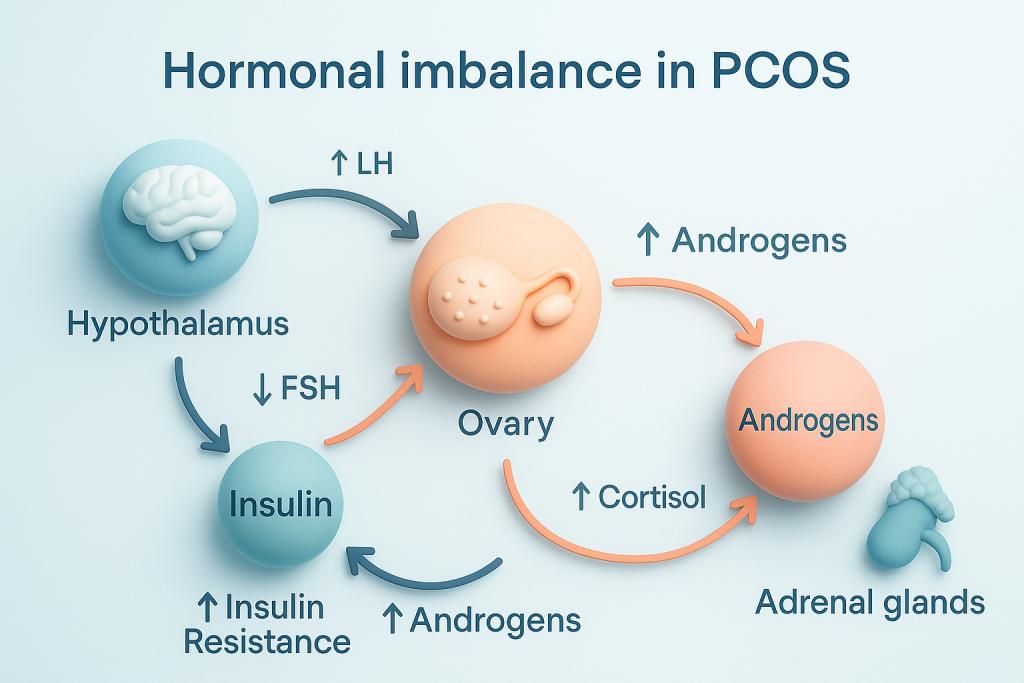
Polycystic Ovary Syndrome (PCOS) is a hormonal and metabolic syndrome that affects ovulation, hormones, insulin sensitivity, and fertility.
PCOS involves:
- Excess androgen hormones.
- Irregular or absent ovulation.
- Menstrual disturbances.
- Insulin resistance.
- Increased risk of diabetes.
- Fertility challenges.
Recent medical discussions also highlight that women may have PCOS even when ultrasound does not show ovarian cysts, making hormonal evaluation essential.
PCOS vs PCOD: Difference Explained in Simple Language
| Feature | PCOD | PCOS |
| Hormonal imbalance | Mild | Moderate to severe |
| Ovulation | Sometimes delayed | Frequently absent or irregular |
| Periods | Irregular | Very irregular or missed |
| Insulin resistance | Less common | Common |
| Weight gain | Possible | Very common |
| Pregnancy | Possible naturally | May require treatment |
| Long-term health risks | Lower | Higher metabolic risks |
15 Symptoms of PCOS and PCOD Women Should Never Ignore
Menstrual Symptoms
- Periods after 40–60 days.
- Missed periods.
- Very heavy bleeding.
- Very light bleeding.
- Painful periods.
Hormonal Symptoms
- Acne after teenage years.
- Facial hair growth.
- Hair on chest or chin.
- Hair fall.
- Oily skin.
Metabolic Symptoms
- Rapid weight gain.
- Difficulty losing weight.
- Constant fatigue.
- Increased sugar cravings.
- Dark skin patches around neck or underarms.
If you experience multiple symptoms together, consult a gynecologist instead of self-diagnosing.
Why Are More Indian Women Diagnosed with PCOS Today?
Gynecologists are seeing increasing cases among women aged 15–35 years due to changing lifestyles.
Major Causes
| Hormonal imbalance | Higher androgen hormone production affects ovulation. |
| Insulin resistance | Body struggles to use insulin efficiently, increasing weight gain and hormonal imbalance. |
| Genetics | Family history increases risk. |
| Poor sleep | Night shifts and sleep deprivation affect hormones. |
| Stress | Chronic stress impacts reproductive hormones. |
| Sedentary lifestyle | Reduced physical activity contributes to obesity and insulin resistance. |
PCOS in Teenagers: A Growing Health Concern in India
Recent awareness campaigns highlight that PCOS is increasingly diagnosed in teenagers, but symptoms can resemble normal puberty.
Signs Parents Should Watch
- Periods remain irregular for years after puberty.
- Severe acne.
- Excess facial hair.
- Weight gain despite healthy eating.
- Hair thinning.
Early evaluation helps prevent future fertility and metabolic complications.
PCOS vs PCOD Symptoms: Which Condition Do You Probably Have?
| Symptom | More Common In |
| Irregular periods | Both |
| Missed periods for months | PCOS |
| Difficulty getting pregnant | PCOS |
| Mild acne | PCOD |
| Severe acne | PCOS |
| Weight gain around abdomen | PCOS |
| Dark neck pigmentation | PCOS |
How Gynecologists Diagnose PCOS and PCOD
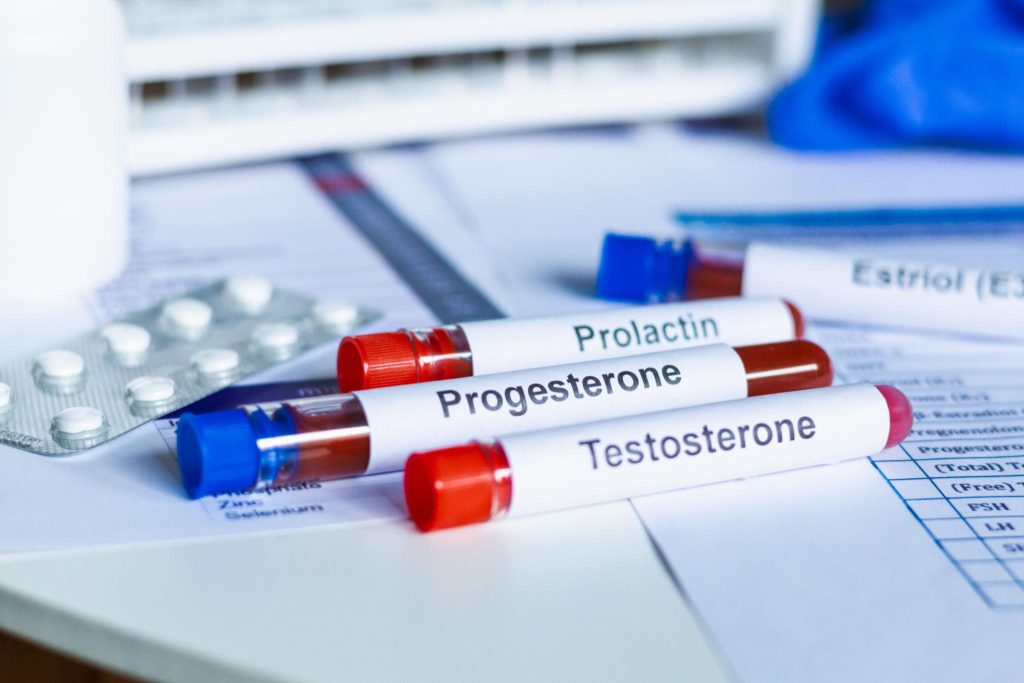
Diagnosis includes multiple evaluations—not ultrasound alone.
Tests Recommended
- Menstrual history.
- Physical examination.
- Pelvic ultrasound.
- Hormone profile.
- Thyroid test.
- Blood sugar test.
- Insulin evaluation.
- Vitamin D and B12 if needed.
Doctors commonly use internationally accepted diagnostic criteria that combine menstrual irregularity, androgen excess, and ovarian findings rather than relying only on cysts.
Can You Have PCOS Without Cysts?
Yes — This Is One of the Biggest Myths.
Many women panic after an ultrasound report says “No cysts.”
Reality
You can still have PCOS if:
- Hormone imbalance exists.
- Ovulation is irregular.
- Periods are absent.
- Androgen levels are high.
This misconception has become one of the most searched questions in 2026.
Does PCOS Affect Pregnancy?
Many women ask:
Can I get pregnant naturally with PCOS?
The Good News
Yes. Many women with PCOS conceive naturally after improving ovulation and hormonal balance.
PCOS May Increase Risk Of
- Delayed ovulation.
- Infertility.
- Miscarriage risk in some pregnancies.
- Gestational diabetes.
- High blood pressure during pregnancy.
Early pregnancy care and regular monitoring improve outcomes.
Can Women with PCOD Get Pregnant Naturally?
Women with PCOD often ovulate irregularly but natural pregnancy is possible.
Treatment may include:
- Ovulation tracking.
- Lifestyle improvement.
- Weight management.
- Medication if needed.
Best PCOS Treatment in Ghaziabad: What Actually Works?
There is no single cure, but PCOS is highly manageable.
Step 1: Lifestyle Management
- Daily walking.
- Strength training.
- Yoga.
- Stress management.
- 7–8 hours sleep.
Foods Recommended

Eat more:
- Protein.
- Fibre.
- Vegetables.
- Fruits.
- Whole grains.
- Healthy fats.
Limit:
- Sugary drinks.
- Refined flour.
- Fried food.
- Excess sweets.
Step 2: Medical Treatment
Gynecologists may prescribe medicines depending on symptoms:
- Hormonal regulation medicines.
- Ovulation medicines.
- Insulin resistance medicines.
- Acne treatment.
- Hair growth treatment.
Treatment varies for every patient.
Weight Loss and PCOS: Why Losing 5–10% Weight Matters
Research shows modest weight reduction may help improve:
- Ovulation.
- Menstrual cycles.
- Fertility.
- Blood sugar control.
- Hormonal balance.
Crash dieting is not recommended.
Best Indian Diet Plan for PCOS
| Meal | Recommended Foods |
| Morning | Warm water, seeds, protein breakfast. |
| Breakfast | Oats, sprouts, eggs, paneer, vegetable poha. |
| Lunch | Roti, dal, vegetables, curd. |
| Evening | Nuts, fruit, buttermilk. |
| Dinner | Grilled paneer, dal soup, vegetables. |
Foods to Avoid
- Sweetened beverages.
- Bakery items.
- Chips.
- White bread.
- Excess rice portions.
Exercise Plan for Women with PCOS
Weekly Routine
| Walking | 30–45 minutes, 5 days/week. |
| Strength Training | 2–3 sessions/week. |
| Yoga | 3 sessions/week. |
| Stretching | Daily. |
Consistency matters more than intense workouts.
PCOS and Mental Health
Hormonal imbalance can affect:
- Mood.
- Anxiety.
- Confidence.
- Sleep quality.
- Emotional health.
Seeking medical care early helps address both physical and emotional symptoms.
PCOS and Thyroid: Are They Connected?
Many women have overlapping symptoms.
Similar Symptoms
- Weight gain.
- Fatigue.
- Hair loss.
- Irregular periods.
Doctors often recommend thyroid screening during evaluation.
PCOS and Diabetes: The Hidden Risk
PCOS increases the likelihood of insulin resistance.
Long-Term Risks
- Type 2 diabetes.
- High cholesterol.
- Fatty liver.
- High blood pressure.
Regular monitoring helps reduce these risks.
When Should You Visit a Gynecologist Immediately?
Visit a gynecologist if you have:
- No periods for over 3 months.
- Heavy bleeding lasting more than 7 days.
- Severe pelvic pain.
- Difficulty conceiving after trying.
- Rapid facial hair growth.
- Sudden unexplained weight gain.
- Persistent acne despite treatment.
PCOS Treatment During Pregnancy
Pregnancy care focuses on monitoring:
- Blood sugar.
- Blood pressure.
- Baby growth.
- Nutrition.
- Weight gain.
- Ultrasound schedule.
Every pregnancy plan is individualized.
Frequently Asked Questions
1. Which is more serious: PCOS or PCOD?
PCOS is generally considered more complex because it affects hormones, metabolism, ovulation, and long-term health risks more significantly than PCOD.
2. Can PCOD become PCOS?
They are different conditions. A gynecologist evaluates symptoms and hormonal health before confirming either diagnosis.
3. Can I get pregnant naturally with PCOS?
Yes. Many women conceive naturally with lifestyle management and appropriate medical treatment.
4. Is ultrasound enough to diagnose PCOS?
No. Doctors consider menstrual history, hormones, symptoms, and metabolic evaluation in addition to ultrasound findings.
5. What foods should women with PCOS avoid?
Limit sugary foods, refined carbohydrates, processed snacks, and sweetened beverages.
6. Is weight gain always a symptom of PCOS?
Weight gain is common but not universal. Lean women can also have PCOS.
7. At what age can PCOS start?
PCOS often begins during teenage years or early reproductive age and may become noticeable after puberty.
8. Where can I get PCOS treatment in Ghaziabad?
Women experiencing irregular periods, hormonal imbalance, acne, weight gain, or fertility concerns can consult the gynecology team at SR Hospital & Maternity Centre, Ghaziabad for evaluation and treatment.
Conclusion
PCOS and PCOD are among the most common hormonal conditions affecting women in India, but they are not the same. Understanding the difference helps women seek the right diagnosis and treatment instead of relying on myths or self-diagnosis. Early evaluation, healthy lifestyle changes, hormone management, and regular gynecological care can improve menstrual health, fertility, pregnancy outcomes, and long-term wellness.
If you’re experiencing symptoms like irregular periods, weight gain, acne, unwanted hair growth, or difficulty conceiving, don’t ignore them. Early consultation with an experienced gynecologist can make a significant difference in your health journey.