


Gallstones are hardened material in the gallbladder. Many cause no symptoms, but a stone blocking the gallbladder outlet can cause steady upper-right or upper-middle abdominal pain, often after a meal, sometimes spreading to the back or shoulder.
Gallstone Symptoms And Treatment: Start With the Main Question
Gallstones are hardened material in the gallbladder. Many cause no symptoms, but a stone blocking the gallbladder outlet can cause steady upper-right or upper-middle abdominal pain, often after a meal, sometimes spreading to the back or shoulder.
Gallstone Symptoms And Treatment: Patterns People Commonly Notice
The safest interpretation comes from the whole pattern: onset, severity, associated symptoms, medical history and change over time. One symptom, one photo or one home reading rarely establishes the cause.
Gallstone Symptoms And Treatment: Why the Cause Is Not Always Obvious
Biliary pain usually lasts from tens of minutes to several hours. Indigestion alone is not specific. Persistent pain with fever, jaundice or vomiting may indicate inflammation or blockage that needs urgent assessment.
What to Track at Home Before Seeking Care
- Note pain location, duration, relation to meals, fever and urine or stool colour.
- Choose lighter meals while awaiting review if fatty meals trigger attacks.
- Do not rely on unproven gallstone-dissolving remedies.
- Discuss operative benefits, risks and recovery if surgery is advised.
These steps are meant to preserve useful information and reduce avoidable risk; they are not a substitute for diagnosis. Keep the timeline simple: when the problem began, what makes it better or worse, what has changed, and which medicines or home treatments have already been used.
From Symptoms to Diagnosis: What the Evaluation May Include
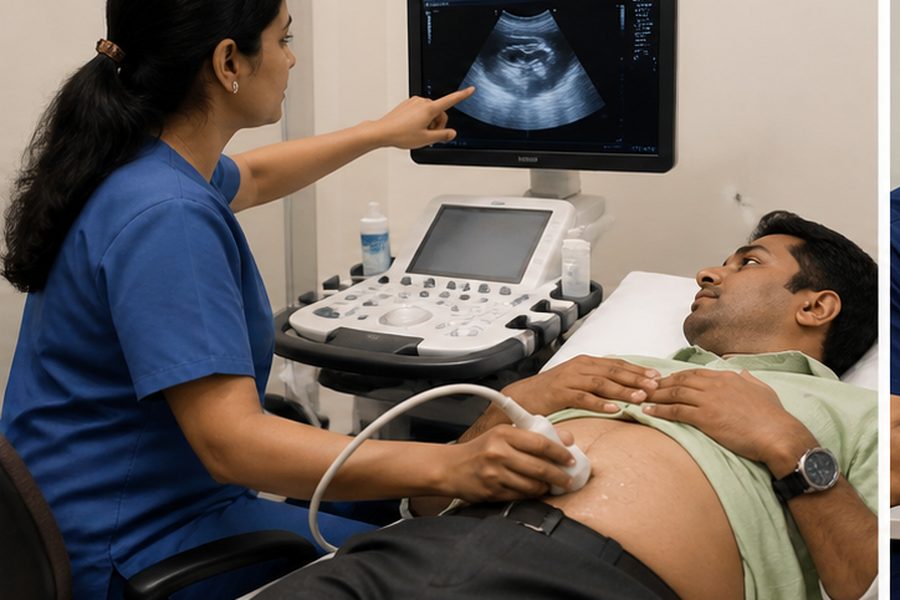
Ultrasound is usually the first imaging test, supported by liver and inflammation blood tests when symptomatic. Treatment depends on whether stones are incidental, repeatedly painful or causing complications; not every scan finding requires surgery.
Good testing is targeted. A test should answer a clinical question and its result should be interpreted beside the history and examination. Asking why a test is recommended, what a normal result would mean and what happens next makes the care plan easier to follow.
When Not to Wait for a Routine Appointment
- Persistent severe abdominal pain or repeated vomiting
- Fever or chills with upper abdominal pain
- Yellow eyes, dark urine or pale stools
- Faintness, confusion or rapidly worsening illness
If a person is severely unwell, use local emergency services. Pregnancy, infancy, older age, immune suppression, recent surgery and serious existing disease may lower the threshold for urgent assessment.
Turning the Diagnosis Into a Clear Care Plan
Before agreeing to treatment, ask what diagnosis is most likely, what alternatives remain possible, what improvement should look like and when follow-up is due. Also ask which new symptom would change the plan. This turns a consultation into a clear decision pathway rather than a collection of disconnected tests.
General Surgery Support in Ghaziabad
For people in Ghaziabad and nearby areas looking for help with gallstone symptoms and treatment, SR Hospital and Maternity Centre provides access to general surgery. The hospital mention is intentionally placed after the main educational guidance so readers can first understand the issue and then decide what type of care they may need.

FAQs About Gallstone Symptoms And Treatment
Can gallstones dissolve on their own?
Most do not. Medicines have limited roles, and unproven cleanses can be unsafe.
Do silent gallstones need surgery?
Often not; treatment is usually driven by symptoms and complications.
What does gallstone pain feel like?
Typically steady upper abdominal pain lasting from minutes to hours, sometimes radiating to the back or shoulder.
Can gallstones cause jaundice?
A stone in the bile duct can block bile flow and cause yellow eyes, dark urine and pale stools.
Why is ultrasound used first?
It identifies gallbladder stones and signs of inflammation without radiation.
Making the Consultation More Useful
A concise record is more valuable than trying to remember everything in the consultation room. Include dates, severity, associated symptoms, relevant exposures and the effect on sleep, eating, movement, work or school. Bring original reports rather than cropped screenshots when possible. If a caregiver observed an event, their account may clarify details the patient could not notice.
Common Mistakes That Delay the Right Care
Common mistakes include repeating another person’s prescription, changing several remedies at once, delaying care because one symptom briefly improved, and ordering broad test panels without clinical direction. These actions can blur the timeline and create confusing results. Safer care starts with the right level of urgency, a focused assessment and a written follow-up plan.
How Follow-Up Protects Against Missed Changes
Follow-up is not only for people who feel worse. It confirms whether the expected recovery occurred, whether results changed the working diagnosis and whether treatment caused side effects. Ask for a specific time frame rather than the vague instruction to return if needed. When symptoms evolve, contact the treating service earlier instead of waiting for the original date.
Health information works best when it supports—not replaces—a conversation with a qualified clinician. Individual advice may differ because age, pregnancy, allergies, medicines and existing conditions change what is safe. If the situation does not fit the typical pattern described here, that difference itself is worth mentioning during assessment.
Final Thoughts
Gallstone symptoms and treatment is easier to manage when decisions are based on the full pattern rather than one isolated symptom or result. Notice meaningful changes, keep useful records, and seek timely care when the problem persists, limits daily life or develops warning signs. You can also explore our blogs for more practical health information.