

Missing teeth can affect chewing, speech, appearance and the stability of remaining teeth. Implants, bridges and removable dentures solve the problem differently; no option is automatically best for everyone.
Dental Implants Vs Bridges Vs Dentures: Start With the Main Question
Missing teeth can affect chewing, speech, appearance and the stability of remaining teeth. Implants, bridges and removable dentures solve the problem differently; no option is automatically best for everyone.
Dental Implants Vs Bridges Vs Dentures: Patterns People Commonly Notice
The safest interpretation comes from the whole pattern: onset, severity, associated symptoms, medical history and change over time. One symptom, one photo or one home reading rarely establishes the cause.

Dental Implants Vs Bridges Vs Dentures: Why the Cause Is Not Always Obvious
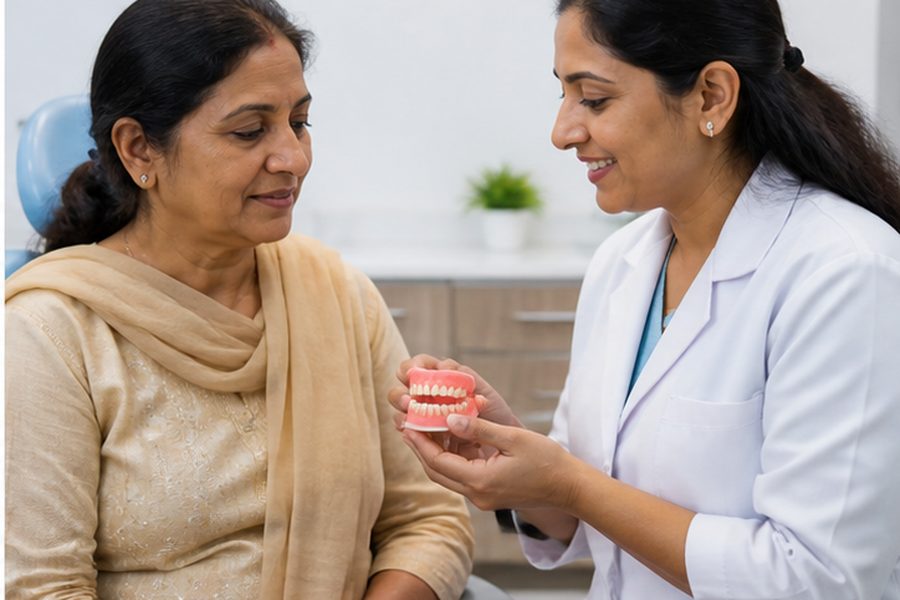
An implant supports a crown through the jawbone and avoids cutting neighbouring teeth, but needs adequate bone, healthy tissues, healing time and suitable medical risk. A conventional bridge relies on adjacent teeth. Dentures replace one or several teeth and are removable.
What to Track at Home Before Seeking Care
- Ask what must be done to the neighbouring teeth for each option.
- Discuss healing time, temporary teeth and total cost across stages.
- Review cleaning requirements and future maintenance.
- Share medicines, diabetes history, smoking and previous dental problems.
These steps are meant to preserve useful information and reduce avoidable risk; they are not a substitute for diagnosis. Keep the timeline simple: when the problem began, what makes it better or worse, what has changed, and which medicines or home treatments have already been used.
From Symptoms to Diagnosis: What the Evaluation May Include
Planning includes gum and tooth examination, X-rays and assessment of bite, bone, hygiene, smoking, diabetes control and expectations. Patients should compare total treatment stages, maintenance, likely longevity and repairability.
Good testing is targeted. A test should answer a clinical question and its result should be interpreted beside the history and examination. Asking why a test is recommended, what a normal result would mean and what happens next makes the care plan easier to follow.
When Not to Wait for a Routine Appointment
- Facial swelling, fever or uncontrolled dental infection
- Persistent bleeding after a procedure
- Severe pain with difficulty swallowing or breathing
- A new tooth injury with uncontrolled bleeding
If a person is severely unwell, use local emergency services. Pregnancy, infancy, older age, immune suppression, recent surgery and serious existing disease may lower the threshold for urgent assessment.
Turning the Diagnosis Into a Clear Care Plan
Before agreeing to treatment, ask what diagnosis is most likely, what alternatives remain possible, what improvement should look like and when follow-up is due. Also ask which new symptom would change the plan. This turns a consultation into a clear decision pathway rather than a collection of disconnected tests.
Dental Care Support in Ghaziabad
For people in Ghaziabad and nearby areas looking for help with dental implants vs bridges vs dentures, SR Hospital and Maternity Centre provides access to dental care. The hospital mention is intentionally placed after the main educational guidance so readers can first understand the issue and then decide what type of care they may need.
FAQs About Dental Implants Vs Bridges Vs Dentures
Which option feels most like a natural tooth?
An implant-supported crown can feel independent, but suitability depends on bone, tissues and health.
Does a bridge damage nearby teeth?
A conventional bridge requires preparation of supporting teeth; whether that is reasonable depends on their condition.
Can dentures replace several teeth?
Yes. Partial or complete dentures can replace multiple missing teeth and remain removable.
How long does an implant take?
Treatment may span months when healing or bone grafting is needed.
Can smokers receive implants?
Smoking raises healing and failure risks; individual assessment and cessation support are important.
Making the Consultation More Useful
A concise record is more valuable than trying to remember everything in the consultation room. Include dates, severity, associated symptoms, relevant exposures and the effect on sleep, eating, movement, work or school. Bring original reports rather than cropped screenshots when possible. If a caregiver observed an event, their account may clarify details the patient could not notice.
Common Mistakes That Delay the Right Care
Common mistakes include repeating another person’s prescription, changing several remedies at once, delaying care because one symptom briefly improved, and ordering broad test panels without clinical direction. These actions can blur the timeline and create confusing results. Safer care starts with the right level of urgency, a focused assessment and a written follow-up plan.
How Follow-Up Protects Against Missed Changes
Follow-up is not only for people who feel worse. It confirms whether the expected recovery occurred, whether results changed the working diagnosis and whether treatment caused side effects. Ask for a specific time frame rather than the vague instruction to return if needed. When symptoms evolve, contact the treating service earlier instead of waiting for the original date.
Health information works best when it supports—not replaces—a conversation with a qualified clinician. Individual advice may differ because age, pregnancy, allergies, medicines and existing conditions change what is safe. If the situation does not fit the typical pattern described here, that difference itself is worth mentioning during assessment.
Final Thoughts
Dental implants vs bridges vs dentures is easier to manage when decisions are based on the full pattern rather than one isolated symptom or result. Notice meaningful changes, keep useful records, and seek timely care when the problem persists, limits daily life or develops warning signs. You can also explore our blogs for more practical health information.