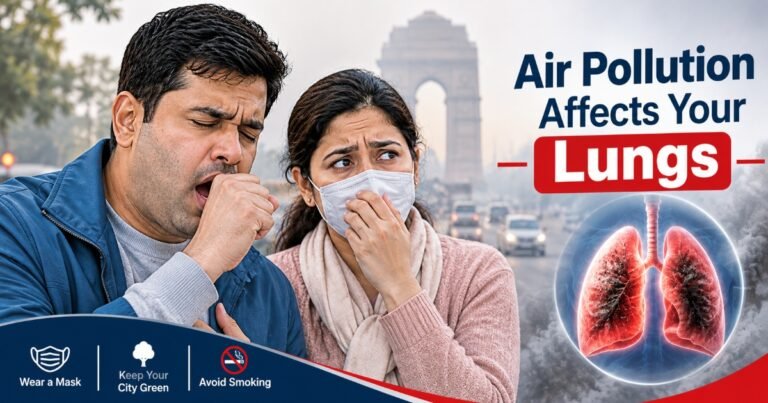



Do you wake up every morning with repeated sneezing, a blocked nose, itchy eyes or a runny nose? Do these symptoms become worse while cleaning your home, changing bedsheets, travelling through dusty roads or entering a room that has remained closed for several days?
If these problems keep returning, you may be experiencing an allergic reaction to dust or other airborne allergens.
Dust allergy is a common reason for recurring nasal symptoms, particularly in people who are sensitive to dust mites, pollen, mould spores or other airborne particles. In urban areas such as Delhi, Ghaziabad and Noida, exposure to dust, pollution and changing environmental conditions may also aggravate nasal and respiratory irritation.
However, not every episode of sneezing or blocked nose is caused by an allergy. Understanding the symptoms, identifying possible triggers and getting the right medical evaluation can help you manage the condition more effectively.
In this guide, we explain dust allergy in Delhi ncr symptoms, causes, treatment options, preventive measures and when to consult an ENT doctor or pulmonologist in Ghaziabad.
1. What Is Dust Allergy?
Dust allergy occurs when the immune system reacts to certain substances present in the environment that are usually harmless to most people.
Common allergens associated with household dust include:
- Dust mites and their microscopic particles.
- Pollen brought indoors from outside.
- Mould spores.
- Animal dander.
- Cockroach allergens.
- Certain particles present in household dust.
One of the most common causes of indoor dust-related allergies is exposure to dust mites. These microscopic organisms are commonly found in mattresses, pillows, upholstered furniture, carpets and bedding.
When a sensitive person inhales these allergens, the immune system may release chemicals such as histamine, leading to symptoms like sneezing, nasal congestion, itching and watery eyes.
Dust allergy is not necessarily caused by visible dust alone. Even a clean-looking room may contain microscopic allergens capable of triggering symptoms in sensitive individuals.
2. Common Dust Allergy Symptoms You Should Not Ignore
Dust allergy symptoms may vary in severity. Some people experience mild irritation, while others have symptoms that interfere with sleep, work, concentration and daily activities.
Repeated Sneezing
Frequent sneezing, especially in the morning, while cleaning or after exposure to dusty surroundings, may be associated with allergic rhinitis.
Runny Nose
A watery nasal discharge that repeatedly occurs without other signs of infection may be related to an allergy.
Blocked or Stuffy Nose
Nasal congestion can make breathing through the nose difficult. Some people may feel that one or both nostrils remain blocked for prolonged periods.
Itchy Nose, Eyes or Throat
Itching around the nose, watery eyes and throat irritation are common symptoms of allergic reactions.
Postnasal Drip
Mucus may travel from the back of the nose into the throat, producing throat clearing, irritation or a sensation of mucus accumulation.
Persistent Cough
A cough may develop due to throat irritation, postnasal drip or associated airway sensitivity. If coughing is accompanied by wheezing or breathlessness, evaluation for asthma or another respiratory condition may be necessary.
Sleep Disturbance
Persistent nasal blockage may affect sleep quality, cause mouth breathing and contribute to daytime tiredness.
If these symptoms repeatedly occur without a clear infection, an allergy evaluation may help identify the underlying cause.
3. Why Is Dust Allergy Commonly Reported in Delhi NCR?
Delhi NCR includes densely populated urban areas with varying exposure to traffic emissions, road dust, construction activity, seasonal pollen and other airborne pollutants.
Environmental conditions may influence how frequently people experience nasal or respiratory symptoms.
Potential triggers include:
Road dust and construction activity: Dust particles from roads, construction sites and renovation work may irritate the nose and airways.
Indoor dust accumulation: Mattresses, curtains, carpets, sofas and soft furnishings can collect allergens over time.
Seasonal pollen: Pollen exposure may cause or aggravate allergic symptoms in susceptible individuals.
Poor ventilation: Closed rooms may allow indoor allergens and irritants to accumulate.
Air pollution: Polluted air can irritate the respiratory tract and worsen symptoms in people with allergies or asthma. Pollution itself is not necessarily an allergen, but it can aggravate existing respiratory sensitivity.
Changing weather conditions: Temperature changes, dry air and seasonal environmental changes may contribute to nasal irritation and symptom flare-ups.
Residents of Ghaziabad, Khora Colony and Noida Sector 62 who experience recurring symptoms should consider both indoor and outdoor exposure when identifying possible triggers.
4. Dust Allergy or Common Cold: How to Tell the Difference?
Dust allergy and the common cold can produce similar symptoms, particularly sneezing, runny nose and nasal congestion.
However, certain patterns may help distinguish them.
| Symptom | Dust Allergy | Common Cold |
| Sneezing | Often repeated | May occur |
| Itchy eyes or nose | Common | Less common |
| Fever | Usually absent | May occur |
| Nasal discharge | Often watery | May change during illness |
| Duration | May persist or recur | Usually improves over time |
| Trigger | Allergen exposure | Viral infection |
| Symptoms after cleaning | May worsen | Not a typical trigger |
Allergies may persist for weeks or repeatedly return when exposure continues. A cold usually follows a temporary course, although symptoms can overlap.
If you experience prolonged nasal symptoms, recurrent episodes or uncertainty about the cause, medical evaluation is recommended rather than repeatedly taking medicines without guidance.
5. Can Dust Allergy Cause Asthma or Breathing Problems?
Dust allergy primarily affects the nose and upper respiratory tract, but certain allergens can also trigger symptoms in people with asthma.
When allergens reach sensitive airways, they may contribute to inflammation and airway narrowing.
Possible asthma-related symptoms include:
- Wheezing or a whistling sound while breathing.
- Chest tightness.
- Coughing, particularly at night.
- Breathlessness during exercise.
- Difficulty breathing after exposure to dust.
Some people may experience both allergic rhinitis and asthma. Persistent coughing should not automatically be attributed to dust allergy because infections, asthma, reflux and other respiratory conditions may also cause it.
If breathing difficulty is severe, sudden or accompanied by significant chest discomfort, seek urgent medical care.
6. How Is Dust Allergy Diagnosed?
Diagnosis usually begins with a detailed discussion of symptoms and possible triggers.
An ENT doctor or physician may ask:
- When do symptoms usually occur?
- Are they worse in the morning or at night?
- Do symptoms increase while cleaning?
- Is there a history of asthma, eczema or other allergies?
- Does nasal blockage affect sleep?
- Are symptoms seasonal or present throughout the year?
Depending on the clinical findings, further evaluation may include:
Clinical examination: The doctor may examine the nose, throat and relevant respiratory symptoms.
Allergy testing: Skin prick testing or specific IgE blood testing may be considered when identifying a particular allergen would help guide management.
Nasal evaluation: Persistent congestion may require assessment for nasal polyps, deviated nasal septum or other structural problems.
Lung function testing: Spirometry may be recommended when asthma or airflow obstruction is suspected.
Not everyone with sneezing or nasal congestion requires allergy testing. Investigations should be selected according to symptoms and medical history.
7. Dust Allergy Treatment: What Actually Helps?
Treatment depends on symptom severity, the suspected allergens and whether the patient also has asthma or another condition.
Antihistamines
Antihistamine medicines may help relieve sneezing, itching and runny nose. The choice of medicine depends on the patient’s age, medical history and other medications.
Nasal Corticosteroid Sprays
For persistent allergic rhinitis, intranasal corticosteroid sprays are commonly recommended because they help reduce inflammation and nasal symptoms.
They may require regular use as directed to achieve the best results.
Saline Nasal Rinsing
Saline rinses may help remove mucus, allergens and irritants from the nasal passages. Only sterile, distilled or appropriately boiled and cooled water should be used for nasal irrigation.
Treatment for Associated Asthma
If dust exposure triggers asthma, a doctor may recommend an appropriate inhaler-based treatment plan.
Asthma treatment should not be started, stopped or changed without medical advice.
Allergy Immunotherapy
For selected patients with confirmed allergies and persistent symptoms despite appropriate management, allergen immunotherapy may be considered by an allergy specialist.
This treatment is designed to gradually reduce sensitivity to specific allergens and requires careful assessment and medical supervision.
8. How to Reduce Dust Allergy at Home
Reducing exposure to allergens can be an important part of managing dust allergy.
1. Wash bedsheets regularly: Use suitable washing temperatures and follow fabric-care instructions to help reduce dust mite allergens.
2. Use allergen-resistant mattress and pillow covers: These may help reduce exposure to dust mites.
3. Clean with a damp cloth: Damp cleaning helps avoid unnecessarily dispersing dust into the air.
4. Reduce unnecessary soft furnishings: Carpets, heavy curtains and decorative fabrics can accumulate dust.
5. Maintain indoor humidity: Avoid excessive humidity, which can encourage dust mites and mould. Address water leaks and dampness promptly.
6. Use suitable vacuum cleaning: A vacuum cleaner with effective filtration, such as a HEPA filter, may help reduce household dust.
7. Ventilate thoughtfully: Consider outdoor pollution levels when opening windows in Delhi NCR. Ventilate when conditions are suitable.
8. Avoid smoking indoors: Tobacco smoke can irritate the respiratory tract and worsen nasal and breathing symptoms.
9. Keep pets away from sleeping areas if they trigger symptoms: Pet dander may contribute to allergic reactions in sensitive individuals.
10. Follow your medical treatment: Environmental precautions help, but they may not be sufficient for persistent allergies.
9. When Should You Consult an ENT Doctor or Pulmonologist?
Occasional sneezing may not require specialist consultation. However, recurring symptoms should be assessed when they interfere with daily life.
Consider consulting a doctor if you have:
- Repeated sneezing and nasal congestion for several weeks.
- Persistent runny nose despite preventive measures.
- Frequent mouth breathing or disturbed sleep.
- Recurrent sinus-related symptoms.
- Coughing that repeatedly returns.
- Wheezing or chest tightness.
- Breathing difficulty during routine activities.
An ENT doctor can assess nasal allergies, congestion and other nose-related conditions. A pulmonologist can evaluate associated cough, asthma and lower respiratory symptoms.
The appropriate specialist depends on your symptoms and clinical assessment.
10. Frequently Asked Questions About Dust Allergy
Q1. What are the first signs of dust allergy?
Repeated sneezing, itchy nose, watery eyes, runny nose and nasal congestion are common early symptoms.
Q2. Why do I sneeze more when I wake up?
Exposure to allergens in bedding, dust mites and accumulated indoor dust may contribute to morning allergy symptoms.
Q3. Can dust allergy cause a blocked nose every day?
Yes. Persistent allergen exposure can cause ongoing nasal inflammation and congestion in some individuals.
Q4. Is dust allergy curable permanently?
There is no guaranteed permanent cure for every dust allergy. However, symptoms can often be managed effectively through allergen reduction, appropriate medicines and selected specialist treatments.
Q5. Can dust allergy cause coughing?
Yes. Postnasal drip and airway irritation can cause coughing. Dust exposure may also trigger asthma symptoms in susceptible people.
Q6. Which doctor should I consult for dust allergy in Ghaziabad?
An ENT doctor can assess nasal allergies and congestion. A pulmonologist may be appropriate if you have persistent coughing, wheezing, asthma or breathing difficulties.
Q7. Is Delhi pollution the same as dust allergy?
No. Dust allergy is an immune response to specific allergens. Air pollution can irritate the respiratory tract and worsen allergy symptoms, but pollution-related irritation is not always an allergic reaction.
Get Expert Advice for Persistent Dust Allergy at SR Hospital
Repeated sneezing, nasal blockage, itchy eyes and persistent coughing can affect your sleep, productivity and quality of life.
If these symptoms keep returning, identifying the trigger and receiving appropriate medical guidance can help you manage them more effectively.
At SR Hospital & Maternity Centre, Khora Colony, Ghaziabad, near Noida Sector 62, patients can seek medical consultation for ENT-related concerns and respiratory symptoms through the hospital’s available specialist services.
Whether you are experiencing persistent nasal allergy symptoms, recurring congestion or breathing-related discomfort, timely medical assessment can help identify the cause and guide suitable treatment.
Don’t let recurring allergies disrupt your daily routine. Seek medical advice and take the right steps towards better nasal and respiratory health.
This article is for general health awareness and does not replace a consultation with a qualified doctor. In an emergency, call 85888 26726 or go to the nearest emergency department.