
Medical emergencies can happen without warning, and knowing when to seek 24×7 Emergency Care can save lives. While some health issues can wait for a scheduled doctor’s appointment, others require immediate Emergency Medical Care to prevent serious complications or permanent damage.
Whether it is sudden chest pain, difficulty breathing, severe bleeding, or symptoms of a stroke, delaying treatment can make the condition worse. A well-equipped Emergency Care Hospital provides immediate diagnosis, expert Emergency Treatment, advanced life-support systems, and experienced emergency physicians who are available around the clock.

What Is 24×7 Emergency Care?
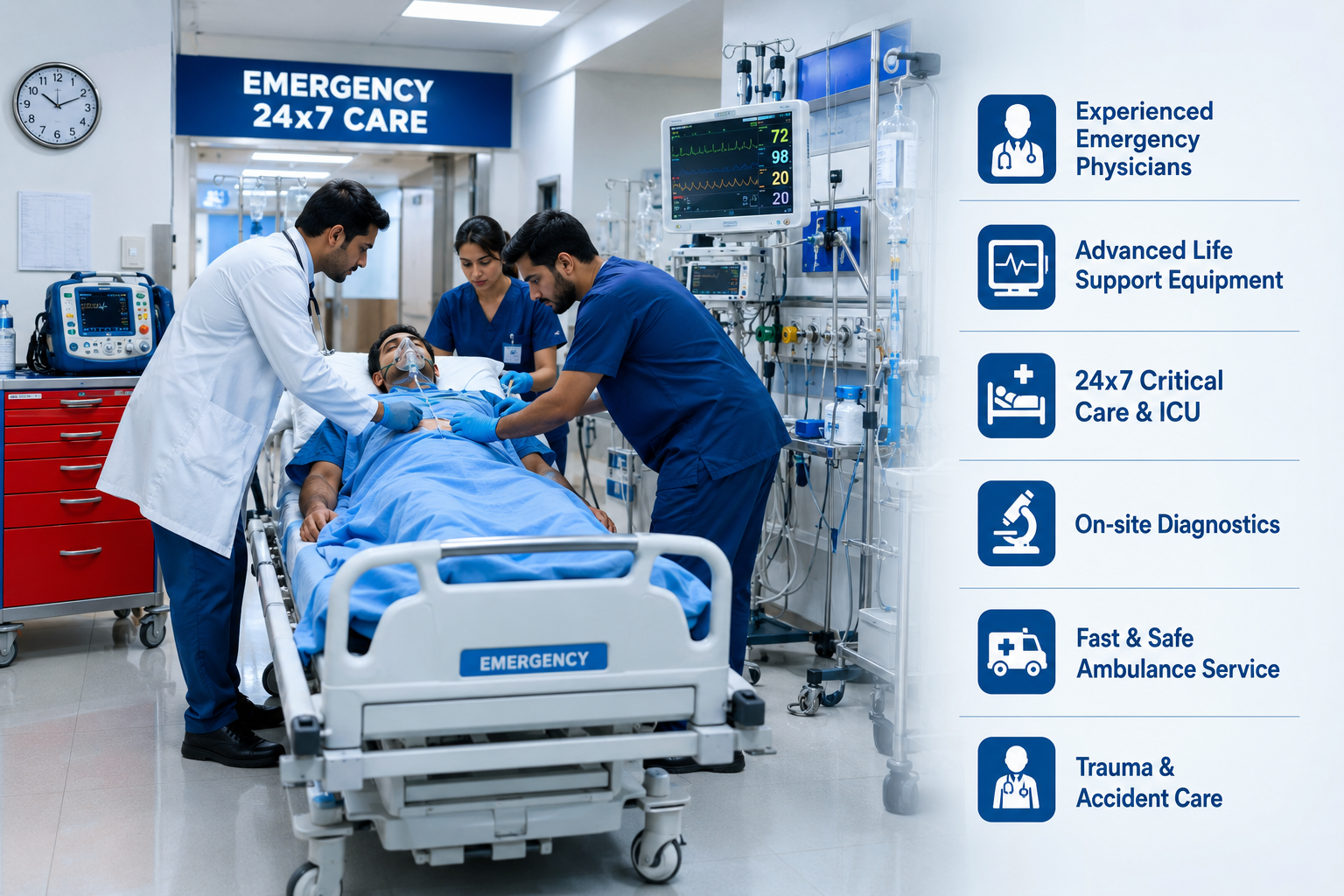
24×7 Emergency Care refers to round-the-clock medical services provided by an Emergency Treatment Hospital for patients experiencing sudden illnesses, serious injuries, or life-threatening medical conditions. Unlike regular outpatient clinics, emergency departments remain operational 24 hours a day, 365 days a year.
A modern Emergency Care Hospital may be equipped with:
These facilities help doctors diagnose and treat heart attacks, strokes, road accident injuries, burns, poisoning, fractures, respiratory emergencies, and other serious conditions without unnecessary delay.
Emergency Warning Signs You Should Never Ignore
Recognising emergency warning signs early can help prevent complications. The following symptoms require urgent medical assessment.
| Emergency symptom | Possible concern | Recommended response |
|---|---|---|
| Chest pain or pressure | Heart attack or another serious cardiac condition | Seek emergency care immediately |
| Difficulty breathing | Asthma, severe allergy, pneumonia or respiratory failure | Arrange urgent medical assistance |
| Face drooping or arm weakness | Possible stroke | Do not delay emergency treatment |
| Heavy or uncontrolled bleeding | Serious blood loss or internal injury | Apply pressure and reach a hospital |
| Loss of consciousness | Seizure, heart problem, stroke or brain injury | Request immediate medical evaluation |
| Face or throat swelling | Severe allergic reaction or anaphylaxis | Treat as a medical emergency |
| High fever with confusion | Severe infection, meningitis or sepsis | Visit an emergency department |
| Serious accident injury | Head injury, fracture or hidden internal injury | Avoid unnecessary movement and seek care |
| Poisoning or overdose | Toxic exposure or medication-related emergency | Do not wait for symptoms to worsen |
1. Chest Pain or Pressure
Persistent chest pain, tightness, heaviness, or pressure may indicate a heart attack or another serious heart condition.
2. Difficulty Breathing
Shortness of breath, wheezing, choking, or sudden breathing difficulty may be associated with asthma, pneumonia, heart failure, severe allergic reactions, or lung infections.
3. Stroke Symptoms
A stroke is a time-sensitive medical emergency. Remember the FAST signs:
- F – Face Drooping: One side of the face appears weak.
- A – Arm Weakness: One arm becomes weak or numb.
- S – Speech Difficulty: Speech becomes unclear or slurred.
- T – Time: Seek emergency treatment immediately.

Why Fast Medical Assessment Matters
Emergency symptoms may progress rapidly. Prompt assessment helps the medical team stabilise the patient, conduct diagnostic investigations, and decide whether ICU support, surgery, medication, or observation is required.
Family members should avoid delaying care while waiting for symptoms to improve on their own.
4. Severe Bleeding
Heavy bleeding that does not stop after applying firm pressure requires urgent treatment. Excessive blood loss can quickly become life-threatening.
5. Loss of Consciousness
Sudden fainting, collapse, or unconsciousness may indicate a stroke, heart problem, seizure, severe dehydration, low blood sugar, or brain injury.
6. Severe Allergic Reactions
Swelling of the face, lips, tongue, or throat, difficulty breathing, widespread hives, dizziness, or sudden weakness may indicate anaphylaxis.
7. High Fever with Serious Symptoms
A high fever accompanied by confusion, persistent vomiting, seizures, breathing difficulty, severe weakness, stiff neck, or unusual drowsiness may indicate a serious infection.
8. Serious Road Accidents
Road accidents may cause internal injuries even when no major external wound is visible. Head injuries, fractures, abdominal pain, neck pain, chest injuries, vomiting, dizziness, or confusion should be medically evaluated.
9. Severe Abdominal Pain
Persistent or intense abdominal pain may be associated with appendicitis, gallstones, kidney stones, pancreatitis, intestinal obstruction, internal bleeding, or another serious condition.
10. Poisoning or Drug Overdose
Poisoning caused by medicines, chemicals, pesticides, household products, drugs, or excessive alcohol requires immediate Emergency Medical Care.
Why Timely Emergency Care Is Important
- Supports immediate life-saving intervention
- Reduces the risk of permanent organ damage
- Improves treatment and recovery outcomes
- Helps prevent life-threatening complications
- Provides access to critical care and emergency surgery
- Helps stabilise breathing, blood pressure, and heart function
Why Choose SR Hospital for 24×7 Emergency Care?
At SR Hospital, the emergency team provides round-the-clock care for patients facing sudden illnesses, injuries, and critical medical conditions.
Experienced emergency physicians, trauma specialists, critical care experts, and trained nursing staff are available to assess the patient’s condition and begin suitable treatment without unnecessary delay.
Frequently Asked Questions
What is considered a medical emergency?
Severe chest pain, stroke symptoms, uncontrolled bleeding, breathing difficulty, poisoning, major burns, seizures, serious accident injuries, or loss of consciousness may be considered medical emergencies.
When should I visit a 24×7 Emergency Care Hospital?
Visit immediately when symptoms affect breathing, consciousness, heart function, brain function, or a major organ, or when the patient’s condition is rapidly worsening.
Can children receive emergency treatment?
Yes. Emergency departments can assess infants, children, adolescents, adults, and senior citizens according to their symptoms and treatment requirements.
Does SR Hospital provide emergency ambulance services?
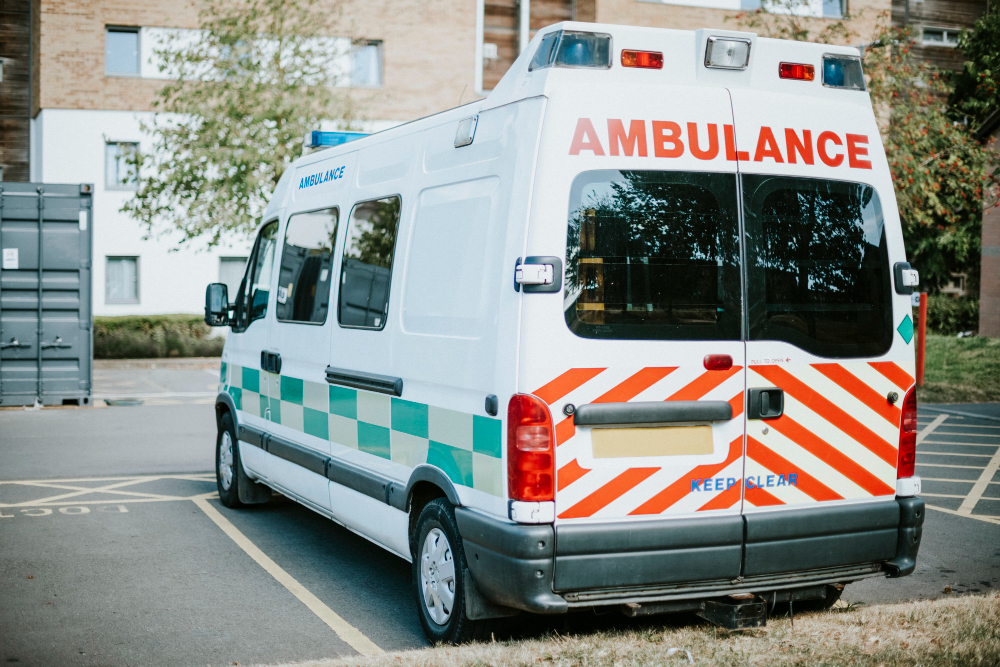
Emergency ambulance support is available for rapid medical assistance and safer patient transportation during serious health emergencies.
What information should I carry during an emergency?
Carry identification, existing medical records, a list of current medicines, known allergies, previous reports, and health insurance information when they are readily available. Do not delay transportation while searching for documents.
Should an unconscious person be given food or water?
No. Avoid giving food, water, or oral medication to an unconscious person because it may enter the airway. Arrange immediate emergency medical assistance.
How to Prepare for a Medical Emergency
- Keep emergency contact numbers readily available
- Maintain an updated list of medicines and allergies
- Keep important medical reports organised
- Carry identification and health insurance details
- Know the location of the nearest emergency hospital
- Inform family members about chronic medical conditions
If you or a family member experiences serious emergency symptoms, avoid depending only on self-treatment or waiting for the condition to improve. Seek immediate Emergency Medical Care from an appropriately equipped hospital.
Conclusion
Ignoring serious Emergency Warning Signs may lead to severe complications. Chest pain, breathing difficulty, stroke symptoms, severe bleeding, poisoning, unconsciousness, and major injuries should not be ignored.
At SR Hospital, patients have access to Emergency Medical Care, emergency physicians, diagnostic facilities, critical care support, and comprehensive Emergency Treatment throughout the day.