
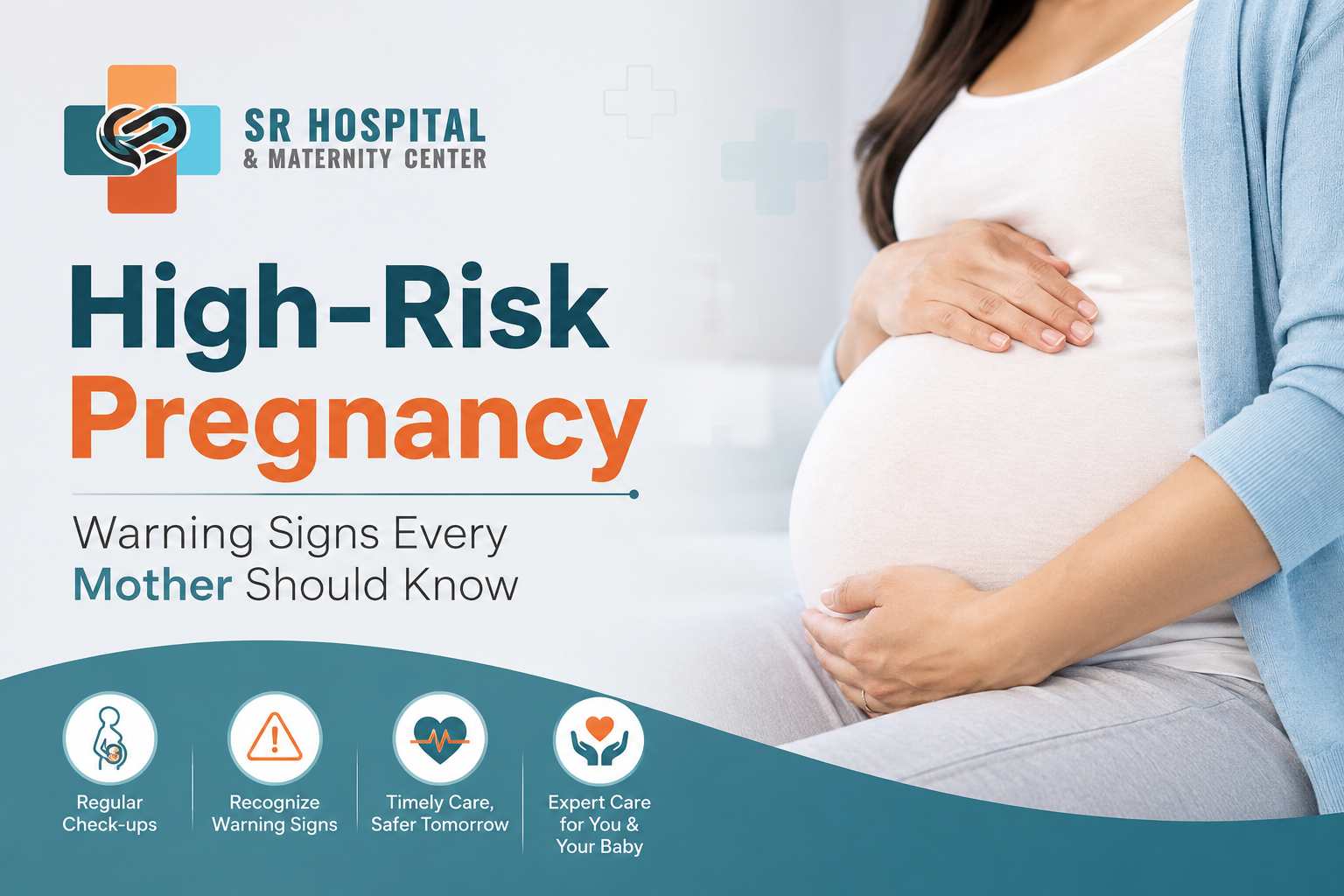
A high-risk pregnancy means the mother, the baby, or both may have a greater chance of developing health complications before, during, or shortly after delivery.
The term can sound frightening, but it doesn’t automatically mean something will go wrong. It means the pregnancy needs closer observation, additional tests, more frequent antenatal appointments, or care from an obstetrician experienced in managing pregnancy complications.
Some pregnancies are considered high risk from the beginning because of the mother’s age, medical history, or an existing health condition. Others become high risk later because of high blood pressure, gestational diabetes, bleeding, abnormal placental development, reduced fetal growth, or another complication.
Early identification matters. With regular antenatal monitoring, timely diagnosis, and a clear delivery plan, many women with high-risk pregnancies go on to have healthy pregnancies and safe deliveries.
Seek urgent medical care: Heavy bleeding, severe abdominal pain, difficulty breathing, chest pain, fainting, seizures, fluid leakage, or a significant reduction in the baby’s movements should never be ignored during pregnancy.

What Exactly Is a High-Risk Pregnancy?
A pregnancy is classified as high risk when a medical, obstetric, fetal, or lifestyle-related factor increases the likelihood of complications for the mother or baby.
A routine pregnancy may usually be managed through scheduled antenatal visits. A high-risk pregnancy often requires more frequent blood pressure checks, blood tests, urine tests, ultrasound scans, fetal growth assessment, and specialist review.
Depending on the condition, the mother may need support from:
- An obstetrician and gynecologist
- A maternal-fetal medicine specialist
- A physician or endocrinologist
- A cardiologist
- A neonatologist or pediatrician
- An anesthesiologist
- A critical-care team
The care plan is personalised. A woman with controlled thyroid disease may need periodic blood tests, while someone with severe hypertension or placenta-related complications may require hospital admission and continuous observation.
Does High Risk Mean the Mother Will Need a C-Section?
No. A high-risk pregnancy does not automatically require a Caesarean delivery.
The safest delivery method depends on the mother’s condition, the baby’s position and heart rate, placental location, previous surgeries, stage of labour, and any complications present near delivery.
Some women with high-risk pregnancies can deliver vaginally. A C-section may be recommended when vaginal delivery could place the mother or baby at greater risk.
The decision should be based on clinical need rather than the high-risk label alone.
What Makes a Pregnancy High Risk?
A pregnancy can be considered high risk because of a condition present before conception, a complication that develops during pregnancy, or a concern involving the baby.
Which Maternal Health Conditions Increase Pregnancy Risk?
Existing medical conditions can affect how the body responds to pregnancy.
These may include:
- Chronic high blood pressure
- Type 1 or type 2 diabetes
- Heart disease
- Kidney disease
- Thyroid disorders
- Epilepsy
- Blood-clotting disorders
- Autoimmune conditions
- Severe asthma
- Obesity
- Significant anaemia
- Certain infections
- Previous cancer treatment or organ transplant
Having one of these conditions doesn’t mean pregnancy is unsafe. It means medication, nutrition, organ function, and fetal development may need closer supervision.
Women taking long-term medicines should never stop or change them without medical advice. Some medicines are continued safely, while others may need to be adjusted before or during pregnancy.
Can a Mother’s Age Make Pregnancy High Risk?
Pregnancy below the age of 17 or at age 35 and above may require additional monitoring.
After age 35, the likelihood of chromosomal conditions, high blood pressure, gestational diabetes, miscarriage, and certain delivery complications gradually increases.
Age is only one factor. A healthy woman over 35 may have a smoother pregnancy than a younger woman with uncontrolled diabetes or severe hypertension.
The full medical picture matters more than age alone.
Which Pregnancy Complications Can Develop Later?
A pregnancy that begins normally can become high risk if a complication appears during the second or third trimester.
- Gestational diabetes
- Gestational hypertension
- Preeclampsia
- Placenta previa
- Placental abruption
- Cervical insufficiency
- Premature rupture of membranes
- Preterm labour
- Restricted fetal growth
- Excess or reduced amniotic fluid
- Severe anaemia
- Pregnancy-related liver disorders
- Abnormal fetal presentation near delivery
Regular antenatal appointments help identify several of these problems before they cause obvious symptoms.
Are Twin or Multiple Pregnancies High Risk?
Twin, triplet, and higher-order pregnancies are generally monitored as higher risk.
Multiple pregnancies have a greater likelihood of premature birth, low birth weight, growth differences between babies, high blood pressure, gestational diabetes, and delivery complications.
These pregnancies usually require more frequent ultrasound scans to monitor each baby’s growth, amniotic fluid, placenta, and blood flow.
Can Previous Pregnancy Problems Affect the Next Pregnancy?
Yes. A woman’s previous obstetric history can influence how closely the next pregnancy is monitored.
- Recurrent miscarriage
- Previous ectopic pregnancy
- Previous premature delivery
- Stillbirth
- Severe preeclampsia
- Previous placental abruption
- Heavy bleeding after delivery
- Previous uterine surgery
- Multiple C-sections
- Previous baby with low birth weight
- Previous baby with a congenital or genetic condition
A previous complication doesn’t guarantee it will happen again. It helps the obstetrician prepare a preventive and monitoring plan early.
What Are the Warning Signs of a High-Risk Pregnancy?
Pregnant women should seek medical advice whenever a symptom feels severe, sudden, persistent, or different from their normal pregnancy experience.
The following warning signs may indicate a complication requiring urgent assessment.
Is Vaginal Bleeding During Pregnancy Dangerous?
Bleeding during pregnancy should always be reported to a doctor, especially when it is heavy, painful, recurrent, or accompanied by dizziness.
Light spotting can occur for several reasons and doesn’t always indicate pregnancy loss. Still, bleeding may also be associated with miscarriage, ectopic pregnancy, placenta previa, placental abruption, cervical problems, or preterm labour.
Seek urgent care if bleeding:
- Soaks a sanitary pad
- Contains large clots
- Occurs with severe abdominal pain
- Is accompanied by shoulder pain
- Causes weakness, dizziness, or fainting
- Occurs during the second or third trimester
Heavy bleeding with severe pain, collapse, or difficulty breathing is a medical emergency.
When Is Abdominal Pain During Pregnancy a Warning Sign?
Mild stretching sensations and occasional cramps can occur as the uterus grows. Severe, persistent, localised, or worsening pain is different and needs assessment.
Urgent evaluation may be needed when pain:
- Is severe or sudden
- Is mainly on one side
- Occurs with vaginal bleeding
- Is accompanied by fever or vomiting
- Causes shoulder-tip pain
- Comes with fainting or severe weakness
- Appears as regular painful contractions before 37 weeks
- Is located in the upper-right abdomen with headache or visual changes
Severe one-sided pain in early pregnancy, especially with bleeding or shoulder pain, may be associated with an ectopic pregnancy.
Can a Severe Headache Signal Preeclampsia?
A severe headache that doesn’t improve may be a warning sign of pregnancy-related high blood pressure or preeclampsia.
Preeclampsia can occur during pregnancy or after childbirth. It involves high blood pressure and may affect organs such as the liver, kidneys, brain, lungs, and blood-clotting system.
Contact the maternity team urgently if a headache occurs with:
- Blurred vision
- Flashing lights or spots
- Sudden swelling of the face or hands
- Pain below the right ribs
- Nausea or vomiting later in pregnancy
- Shortness of breath
- A blood pressure reading of 140/90 mmHg or higher
Some women with preeclampsia initially feel well. That is why routine blood pressure and urine checks remain essential.
Is Sudden Swelling Normal During Pregnancy?
Mild swelling of the feet and ankles can be common, particularly later in pregnancy. Sudden or extreme swelling of the face, hands, lips, or around the eyes needs prompt medical attention.
Swelling becomes more concerning when it occurs with:
- Severe headache
- Blurred vision
- Upper abdominal pain
- Rapid weight gain
- Breathlessness
- High blood pressure

When Should Reduced Baby Movement Be Taken Seriously?
A clear reduction or change in the baby’s usual movement pattern should be assessed without delay.
Fetal movements vary between pregnancies, and there is no single pattern that applies to every baby. What matters is recognising what is normal for your baby and reporting a noticeable decrease.
Do not wait until the next appointment. Do not rely only on eating something sweet, drinking cold water, or using a home Doppler.
Contact the maternity unit or hospital immediately for professional fetal assessment.
What Does Fluid Leakage During Pregnancy Mean?
A sudden gush or continuous trickle of watery fluid may mean the amniotic sac has ruptured.
Fluid leakage can occur when labour begins, but if it happens before 37 weeks, it may indicate premature rupture of membranes and increase the risk of premature delivery or infection.
Seek medical advice promptly if:
- Fluid continues to leak
- The fluid is green, brown, bloody, or foul-smelling
- You have fever or chills
- The baby’s movements decrease
- Contractions begin
- The leakage occurs before 37 weeks
When Does Vomiting Become Dangerous?
Occasional nausea and vomiting are common in early pregnancy. Persistent vomiting can cause dehydration, electrolyte imbalance, weight loss, and nutritional problems.
Contact a doctor if you:
- Cannot keep food or fluids down
- Pass very little or dark-coloured urine
- Feel weak, dizzy, or faint
- Lose weight
- Develop abdominal pain
- Have a fever
- Vomit blood
Severe vomiting may require intravenous fluids, anti-sickness medicine, blood tests, and monitoring.
Are Chest Pain and Breathlessness Normal in Pregnancy?
Mild breathlessness can occur as pregnancy progresses, but sudden or severe breathing difficulty is not something to dismiss.
Get emergency help for:
- Chest pain
- Sudden shortness of breath
- Fast or irregular heartbeat
- Coughing blood
- Difficulty breathing while resting
- One-sided calf swelling or pain
- Blue lips, confusion, or fainting
These symptoms may be associated with a blood clot, heart problem, severe anaemia, lung condition, or preeclampsia-related complication.
Is Fever During Pregnancy a Serious Warning Sign?
A temperature of 38°C or higher may indicate an infection and should be discussed promptly with a healthcare professional.
Urgent assessment is especially important if fever occurs with:
- Severe abdominal or pelvic pain
- Painful urination
- Rash
- Persistent vomiting
- Fluid leakage
- Foul-smelling discharge
- Reduced fetal movement
- Breathlessness
- Confusion or extreme weakness
What Do Regular Painful Contractions Before 37 Weeks Mean?
Regular contractions, pelvic pressure, backache, menstrual-like cramps, or a change in discharge before 37 weeks may indicate preterm labour.
Contact the hospital if you notice:
- Repeated tightening that becomes regular
- Increasing pelvic pressure
- Persistent lower back pain
- Blood-stained mucus
- Fluid leakage
- Abdominal cramps with or without diarrhoea
Early assessment may help identify whether labour has started and whether treatment is needed to support the baby or delay delivery.
What Other Symptoms Require Emergency Pregnancy Care?
Seek urgent medical attention for:
- Fainting or loss of consciousness
- Seizures
- Severe weakness
- Confusion
- Sudden visual loss
- Severe dizziness that doesn’t settle
- Thoughts of self-harm
- Heavy vaginal bleeding
- Severe pelvic or abdominal pain
- Chest pain or breathing difficulty
- A baby who stops moving or moves significantly less
- Severe pain or swelling in one leg
How Is a High-Risk Pregnancy Diagnosed?
There is no single test that labels every pregnancy as high risk. The diagnosis is based on the mother’s history, examination, blood tests, imaging, and the baby’s development.
Assessment may include:
- Detailed medical and pregnancy history
- Blood pressure measurement
- Weight and body mass index assessment
- Blood group and haemoglobin testing
- Blood sugar screening
- Thyroid, kidney, or liver function tests
- Urine testing for protein or infection
- Ultrasound scans
- Cervical-length measurement
- Placental evaluation
- Fetal growth monitoring
- Doppler blood-flow studies
- Non-stress testing
- Biophysical profile
- Genetic or chromosomal screening when indicated
Tests are selected according to the stage of pregnancy and the specific risk factor. Not every woman needs every test.

How Often Are Checkups Needed in a High-Risk Pregnancy?
High-risk pregnancies usually require more frequent antenatal appointments than uncomplicated pregnancies.
The schedule may depend on:
- The mother’s medical condition
- Blood pressure or sugar control
- The baby’s growth
- Placental position
- Amniotic fluid level
- Previous pregnancy history
- Current symptoms
- Gestational age
Appointments may become more frequent during the third trimester or whenever a new complication develops.
How Is a High-Risk Pregnancy Managed?
Management focuses on controlling the underlying condition, detecting changes early, supporting fetal development, and planning the safest time and method of delivery.
Create an Individual Pregnancy-Care Plan
The obstetrician may document:
- Existing medical conditions
- Current medicines
- Required laboratory tests
- Ultrasound schedule
- Dietary or activity recommendations
- Warning signs specific to the mother
- Emergency contact instructions
- Delivery timing and hospital requirements
- Newborn support that may be required
This plan may change as the pregnancy progresses.
Control Existing Medical Conditions
Blood pressure, diabetes, thyroid disease, anaemia, heart disease, and other conditions should be actively managed.
Treatment may involve:
- Pregnancy-safe medication
- Blood sugar monitoring
- Blood pressure monitoring
- Iron or nutritional therapy
- Dietary planning
- Specialist review
- Hospital observation when necessary
Never use, stop, or alter medication during pregnancy without speaking to the treating doctor.
Monitor the Baby’s Growth and Well-Being
Ultrasound scans can assess the baby’s growth, amniotic fluid, placental location, anatomy, and blood flow.
Closer monitoring may be recommended if the baby appears smaller than expected, the mother has hypertension, or the pregnancy involves twins.
Plan Delivery Before an Emergency Develops
A high-risk delivery plan considers where the birth should occur, which specialists may be needed, and whether newborn intensive-care support should be available.
Women with severe heart disease, major bleeding risks, abnormal placental attachment, or other complex complications may need delivery in a facility equipped for advanced maternal and newborn care.
What Can a Mother Do to Reduce Pregnancy Risks?
Not every complication can be prevented. Consistent antenatal care and early reporting of symptoms can reduce avoidable delays.
Attend Every Antenatal Appointment
Routine visits can detect high blood pressure, protein in urine, abnormal blood sugar, anaemia, infection, or poor fetal growth before the mother notices symptoms.
Take Medicines and Supplements as Prescribed
Use iron, calcium, folic acid, aspirin, insulin, thyroid medication, blood-pressure medicine, or other treatment only according to the doctor’s instructions.
Low-dose aspirin may be recommended for some women at increased risk of preeclampsia, but it should not be started without medical advice.
Monitor Blood Pressure or Sugar When Advised
Home monitoring can help track a known condition, but it doesn’t replace antenatal appointments or hospital assessment for warning signs.
Keep a written or digital record and bring it to appointments.
Avoid Tobacco, Alcohol, and Unprescribed Drugs
Smoking, alcohol, and recreational drug use can increase risks involving fetal growth, placental function, premature birth, and newborn health.
Ask for medical support if stopping is difficult.
Follow Safe Nutrition and Activity Advice
Eat a balanced diet, maintain safe hydration, and follow any condition-specific meal plan.
Physical activity may be beneficial for many pregnant women, but restrictions may apply when there is bleeding, placenta previa, cervical weakness, preterm labour risk, severe hypertension, or another complication.
Know Your Emergency Plan
Keep the hospital number, transport plan, medical records, blood group information, identification documents, and prescribed medicines accessible.
Family members should also know which warning signs require immediate hospital care.
Can High-Risk Pregnancy Be Prevented?
Some risk factors can be reduced before conception, but not every high-risk pregnancy is preventable.
Pre-pregnancy care may help by:
- Controlling diabetes and blood pressure
- Correcting severe anaemia
- Reviewing thyroid levels
- Reaching a healthier weight
- Updating vaccinations
- Reviewing long-term medication
- Starting folic acid
- Managing existing infections
- Discussing previous pregnancy complications
Women with a chronic medical condition or difficult pregnancy history may benefit from a preconception consultation before trying to conceive.
When Should You Visit a Hospital Immediately?
Go to the nearest emergency department or maternity hospital without delay if you experience:
- Heavy vaginal bleeding
- Severe abdominal or pelvic pain
- Fainting, collapse, or seizures
- Chest pain
- Sudden breathing difficulty
- Severe headache with blurred vision
- Sudden swelling of the face or hands
- Fluid leakage with pain, bleeding, fever, or reduced movement
- Regular painful contractions before 37 weeks
- A significant reduction in the baby’s movements
- High fever with weakness or confusion
Do not attempt to diagnose these symptoms through online searches or wait for them to become more severe.
High-Risk Pregnancy Care at SR Hospital & Maternity Centre
High-risk pregnancy care requires more than occasional scans. It requires coordinated antenatal monitoring, timely diagnostic support, emergency readiness, and a delivery plan built around the needs of the mother and baby.
SR Hospital & Maternity Centre provides pregnancy consultations, antenatal checkups, delivery planning, high-risk pregnancy support, diagnostic services, and emergency pregnancy care for families in Ghaziabad, Khora Colony, Noida Sector 62, and nearby areas.
Women with pregnancy bleeding, severe pain, high blood pressure, reduced fetal movement, or other urgent symptoms should contact the hospital promptly rather than waiting for a routine appointment.
For appointments or emergency pregnancy support:
Call:
+91 85888 26726 or
+91 85888 59239
Address: C-1, Buddha Bazaar Road, Prem Vihar, Khora Colony, Sector 62A, Ghaziabad, Noida, Uttar Pradesh 201309
Frequently Asked Questions About High-Risk Pregnancy
Can a high-risk pregnancy result in a healthy baby?
Yes. Many women with high-risk pregnancies deliver healthy babies, particularly when the risk is identified early and monitored consistently. The outcome depends on the specific condition, its severity, treatment response, and access to timely care.
Is bed rest required for every high-risk pregnancy?
No. Routine bed rest isn’t recommended for every high-risk pregnancy and can carry risks such as muscle loss and blood clots. Activity restrictions should be based on the mother’s specific condition and the obstetrician’s advice.
Is pregnancy after age 35 always high risk?
Pregnancy at age 35 or above may receive additional monitoring, but age alone does not determine the outcome. Overall health, medical history, fetal development, and pregnancy complications also matter.
Can stress make a pregnancy high risk?
Ordinary stress alone doesn’t usually define a pregnancy as high risk. Severe or prolonged stress can affect sleep, nutrition, blood pressure, and mental health, so persistent anxiety or emotional distress should be discussed with a healthcare professional.
How early can a high-risk pregnancy be identified?
Some risks can be identified before conception or at the first antenatal appointment. Others, including gestational diabetes, preeclampsia, placenta-related problems, or restricted fetal growth, may develop later.
Are all twin pregnancies considered high risk?
Twin and higher-order pregnancies are generally monitored more closely because the risks of premature delivery, growth problems, hypertension, and delivery complications are higher than in singleton pregnancies.
Can high blood pressure harm the baby?
Uncontrolled high blood pressure can affect placental blood flow, fetal growth, maternal organs, and the timing of delivery. Regular monitoring and appropriate treatment can reduce these risks.
What blood pressure is dangerous during pregnancy?
A reading of 140/90 mmHg or higher requires medical review, particularly if it is repeated or occurs with headache, visual changes, swelling, upper abdominal pain, or breathlessness. Severe readings require urgent assessment.
Should I go to the hospital if my baby moves less?
Yes. A clear reduction or change in the baby’s usual movement pattern should be assessed promptly. Do not wait until the next day or the next scheduled checkup.
Can a normal pregnancy become high risk suddenly?
Yes. Conditions such as preeclampsia, bleeding, premature rupture of membranes, infection, reduced fetal movement, or placental complications can develop unexpectedly, even after earlier checkups were normal.