


Breathing comfortably is something most people take for granted until everyday activities such as walking, climbing stairs or sleeping become difficult. Persistent coughing, wheezing, chest tightness and shortness of breath can be signs of an underlying respiratory condition that requires medical attention.
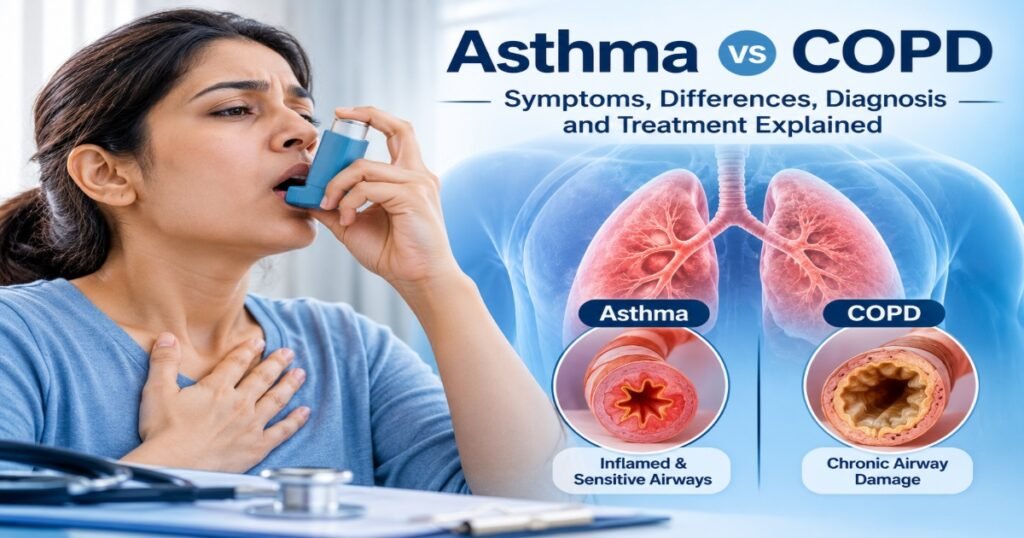
Two commonly discussed chronic respiratory conditions are asthma and Chronic Obstructive Pulmonary Disease (COPD). Although both can cause breathing difficulties, they differ in their underlying causes, symptom patterns, progression and treatment approaches.
Many people confuse asthma with COPD because their symptoms can look similar. However, understanding the difference between asthma and COPD is important for getting the correct diagnosis and choosing an appropriate treatment plan.
In this guide, we explain asthma vs COPD, their symptoms, causes, major differences, diagnostic tests and available treatment options to help you make informed decisions about your respiratory health.
If you experience recurring breathing problems, SR Hospital & Maternity Centre, Ghaziabad, can help you seek appropriate medical evaluation and respiratory health guidance.
What Is Asthma?
Asthma is a chronic respiratory condition characterised by inflammation and increased sensitivity of the airways. During an asthma episode, the muscles surrounding the airways tighten, the airway lining becomes swollen and excess mucus may develop, making breathing difficult.
Asthma symptoms can vary over time. Some people experience occasional episodes, while others have more frequent symptoms requiring regular treatment.
Common asthma triggers include:
- Dust, pollen and environmental allergens.
- Smoke and air pollution.
- Cold air and sudden weather changes.
- Respiratory infections.
- Physical activity in some individuals.
- Strong fragrances and chemical irritants.
- Exposure to workplace allergens.
Asthma can develop during childhood or adulthood. Although it is a long-term condition, appropriate treatment and trigger management can help many people maintain good symptom control.
What Is COPD (Chronic Obstructive Pulmonary Disease)?
COPD stands for Chronic Obstructive Pulmonary Disease. It is a group of progressive lung conditions that cause persistent airflow obstruction and make it increasingly difficult to breathe.
The two major conditions associated with COPD are:
1. Chronic Bronchitis: Long-term inflammation of the bronchial tubes, often associated with persistent coughing and mucus production.
2. Emphysema: A condition in which the air sacs (alveoli) in the lungs become damaged, reducing the lungs’ ability to exchange oxygen effectively.
The most common risk factor for COPD is tobacco smoking. However, prolonged exposure to indoor cooking smoke, air pollution, occupational dust and chemical fumes can also contribute to its development.
Unlike the variable airway narrowing commonly seen in asthma, COPD generally involves persistent airflow limitation and may gradually worsen over time.
Early recognition, appropriate treatment and avoiding further lung damage are important for managing COPD.
Asthma vs COPD: What Is the Difference?
Although asthma and COPD affect the respiratory system, they are not the same condition.
Understanding their differences can help patients recognise why proper respiratory evaluation is important.
| Comparison | Asthma | COPD |
| Typical onset | Often begins in childhood, but can occur at any age | More commonly diagnosed in adults over 40 |
| Main mechanism | Airway inflammation and variable narrowing | Persistent airflow obstruction and lung damage |
| Common risk factors | Allergies, genetics, irritants and infections | Smoking, biomass smoke, pollution and occupational exposure |
| Symptoms | Often vary over time | Often persistent and progressively worsening |
| Cough | May be dry or produce mucus | Frequently produces mucus |
| Wheezing | Common, often episodic | May occur regularly |
| Breathlessness | Often occurs during attacks or after triggers | May become persistent, including during routine activities |
| Airflow limitation | Often variable and may improve significantly | Usually persistent |
| Treatment approach | Inhaled corticosteroid-containing treatment is central | Bronchodilators are central, with other medicines added when indicated |
Can someone have both asthma and COPD?
Yes. Some individuals, particularly older adults with a history of asthma and smoking or other long-term exposures, may have features of both conditions.
This is sometimes described as asthma-COPD overlap or asthma with COPD features. It is important to identify these features because treatment choices may differ.
Common Symptoms of Asthma You Should Recognise
Asthma symptoms may appear occasionally or repeatedly, depending on the severity of the condition and exposure to triggers.
Some common warning signs include:
1. Wheezing: A whistling sound while breathing, particularly when breathing out.
2. Shortness of Breath: Difficulty getting enough air, especially during physical activity or an asthma episode.
3. Chest Tightness: A feeling of pressure, heaviness or discomfort in the chest.
4. Persistent Cough: Coughing that may become worse at night, early morning or after exposure to allergens.
5. Sleep Disturbances: Breathing symptoms that interrupt sleep or cause repeated nighttime waking.
6. Exercise-Related Symptoms: Coughing, wheezing or breathlessness during or after physical activity.
Asthma symptoms may become more noticeable during seasonal changes, respiratory infections or exposure to environmental irritants.
Common Symptoms of COPD
COPD often develops gradually, and early symptoms may be mistaken for normal ageing, reduced fitness or a smoker’s cough.
Common COPD symptoms include:
- Persistent cough, sometimes called a smoker’s cough.
- Frequent production of mucus or phlegm.
- Shortness of breath during walking or physical activity.
- Wheezing and chest tightness.
- Recurrent respiratory infections.
- Unusual tiredness and reduced stamina.
- Difficulty performing everyday activities.
- Breathlessness that may become more frequent over time.
As COPD progresses, some individuals may experience significant limitations in their daily activities.
Early medical evaluation can help identify the condition and guide treatment before further complications develop.
What Causes Asthma and COPD?
Understanding the causes and risk factors of these respiratory conditions is important for prevention and long-term management.
Causes and Risk Factors of Asthma
Asthma may be associated with a combination of genetic and environmental factors.
Important risk factors include:
- Family history of asthma.
- Allergic conditions such as eczema and allergic rhinitis.
- Exposure to dust mites, pollen and pet allergens.
- Air pollution and cigarette smoke.
- Repeated respiratory infections.
- Workplace exposure to certain chemicals and irritants.
Not everyone with these risk factors develops asthma, and symptoms can vary between individuals.
Causes and Risk Factors of COPD
COPD is generally associated with prolonged exposure to substances that damage the lungs.
Major risk factors include:
- Cigarette and other tobacco smoking.
- Second-hand smoke exposure.
- Long-term exposure to indoor cooking smoke from biomass fuels.
- Occupational exposure to dust, fumes and chemicals.
- Long-term exposure to air pollution.
- Certain genetic conditions, including alpha-1 antitrypsin deficiency.
Quitting smoking and reducing harmful environmental exposures are important steps in protecting lung health.
How Are Asthma and COPD Diagnosed?
Asthma and COPD cannot be reliably distinguished through symptoms alone. A doctor evaluates the patient’s medical history, respiratory symptoms, risk factors and lung function.
1. Spirometry Test
Spirometry is one of the most important lung function tests used to evaluate breathing problems.
During the test, patients breathe into a device called a spirometer, which measures:
- The amount of air exhaled.
- How quickly air can be expelled.
- The amount of air exhaled during the first second (FEV1).
- The total amount of air exhaled after a full breath (FVC).
Doctors may also assess lung function before and after administering a bronchodilator.
This helps identify variable airflow obstruction associated with asthma and persistent airflow limitation associated with COPD.
2. Medical History and Physical Examination
Your doctor may ask about:
- When breathing symptoms first started.
- Whether symptoms occur at night or during exercise.
- Smoking history and environmental exposures.
- Previous respiratory infections.
- Family history of asthma or allergies.
- Frequency of coughing and wheezing episodes.
A physical examination helps assess breathing patterns and identify possible respiratory abnormalities.
3. Chest X-Ray
A chest X-ray may be recommended to investigate other possible causes of breathing difficulties, such as lung infections or structural abnormalities.
It does not independently confirm asthma or COPD.
4. Additional Respiratory Investigations
Depending on the symptoms and initial findings, doctors may recommend additional investigations such as:
- Peak expiratory flow monitoring.
- Oxygen saturation measurement.
- Blood investigations.
- Chest CT scan in selected cases.
- Allergy testing when appropriate.
The combination of clinical assessment and appropriate investigations helps establish an accurate diagnosis.
Asthma vs COPD: Treatment Options Explained
Asthma and COPD require different treatment approaches. The treatment plan depends on the diagnosis, symptom frequency, disease severity, lung function and individual medical history.
Asthma Treatment
The main goal of asthma treatment is to control airway inflammation, reduce symptoms and prevent severe asthma attacks.
Treatment may include:
Inhaled Corticosteroids (ICS): These medicines reduce airway inflammation and are an essential component of asthma treatment.
Combination Inhalers: Some patients require inhalers combining an inhaled corticosteroid with a long-acting bronchodilator.
Reliever Medication: Depending on the prescribed treatment plan, certain inhalers provide quicker relief from acute symptoms.
Trigger Management: Reducing exposure to dust, smoke, allergens and other known triggers can help improve symptom control.
Patients should follow their prescribed asthma action plan and avoid changing inhaler medication without medical advice.
COPD Treatment
COPD treatment focuses on reducing symptoms, improving breathing capacity, preventing flare-ups and maintaining quality of life.
Treatment options may include:
Bronchodilator Inhalers: These medicines relax airway muscles and help improve airflow.
Combination Inhalers: Some patients may benefit from combinations of long-acting bronchodilators and, when indicated, inhaled corticosteroids.
Pulmonary Rehabilitation: Supervised exercise, breathing techniques and education can improve physical functioning.
Oxygen Therapy: Prescribed for selected patients with documented low blood oxygen levels.
Smoking Cessation: Stopping tobacco use is one of the most important measures for reducing further lung damage.
Vaccination and Infection Prevention: Recommended vaccinations and appropriate preventive care can help reduce the risk of respiratory complications.
Treatment must be individualised. Patients with features of both asthma and COPD need particular care when selecting inhalers.
When Should You Consult a Doctor for Breathing Problems?
Do not ignore recurring respiratory symptoms, especially when they interfere with sleep, exercise or everyday activities.
Consider medical consultation if you experience:
- Frequent wheezing or chest tightness.
- Coughing that continues for several weeks.
- Breathlessness during routine activities.
- Repeated chest infections.
- Excessive mucus production.
- Increasing dependence on prescribed reliever inhalers.
- Breathing difficulties that gradually become worse.
Seek emergency medical care immediately if you experience severe breathlessness, difficulty speaking because of breathing problems, blue or grey lips, confusion or sudden severe chest discomfort.
Do not wait for a routine appointment during a serious breathing emergency.
How Can You Protect Your Lung Health?
Although not all respiratory conditions can be prevented, certain lifestyle measures can help reduce respiratory risks and support better lung health.
- Avoid smoking and second-hand tobacco smoke.
- Reduce exposure to dust, fumes and indoor air pollution.
- Maintain good indoor ventilation.
- Follow prescribed inhaler instructions.
- Stay physically active according to your medical advice.
- Maintain recommended vaccinations.
- Seek early medical attention for persistent coughing or breathing difficulties.
- Attend regular follow-up appointments if diagnosed with asthma or COPD.
Small preventive steps, combined with appropriate medical care, can make an important difference in respiratory health.
Get Respiratory Health Guidance at SR Hospital & Maternity Centre, Ghaziabad
Persistent coughing, wheezing and shortness of breath should never be treated as ordinary discomfort when they keep returning or interfere with daily life.
Whether you are experiencing possible asthma symptoms, COPD-related breathing difficulties or unexplained respiratory problems, an appropriate medical evaluation is essential to understand the underlying cause.
SR Hospital & Maternity Centre provides medical consultation and healthcare support for patients in Ghaziabad and nearby areas, including Indirapuram, Vaishali, Vasundhara and Noida Sector 62.
The hospital can help patients take the next step towards appropriate respiratory assessment, diagnosis and treatment guidance.
If you or a family member experiences recurring breathing difficulties, seek professional medical advice rather than relying on self-medication or repeatedly using inhalers without supervision.
Take the First Step Towards Better Breathing!
Contact SR Hospital & Maternity Centre for medical consultation and guidance.
Frequently Asked Questions (FAQs)
1. What is the main difference between asthma and COPD?
Asthma generally involves variable airway inflammation and narrowing, while COPD causes persistent airflow obstruction associated with long-term lung damage. Both conditions can cause coughing, wheezing and breathlessness.
2. Can asthma turn into COPD?
Asthma does not simply turn into COPD. However, some individuals with longstanding asthma may develop persistent airflow limitation, and certain patients may have features of both conditions.
3. Is COPD more serious than asthma?
Both conditions can become serious if not properly managed. COPD is generally progressive, while asthma symptoms often vary over time. Severity depends on the individual patient’s condition.
4. Can non-smokers develop COPD?
Yes. Long-term exposure to biomass cooking smoke, air pollution, workplace dust and certain genetic conditions can contribute to COPD even in people who have never smoked.
5. Which test confirms asthma and COPD?
Spirometry is a key lung function test for both conditions. Doctors interpret the results alongside symptoms, medical history and other investigations.
6. Can asthma and COPD be cured permanently?
Asthma and COPD are chronic conditions. Asthma can often be controlled effectively with appropriate treatment. COPD-related lung damage is generally not reversible, but treatment can improve symptoms and help reduce complications.
7. Can air pollution trigger asthma symptoms?
Yes. Air pollution, dust and other airborne irritants can trigger or worsen asthma symptoms in susceptible individuals.
8. When should someone with COPD seek medical attention?
Patients should seek medical attention if breathlessness, coughing or mucus production increases, or if respiratory symptoms suddenly worsen. Severe breathing difficulty requires emergency care.
9. Is an inhaler used for both asthma and COPD?
Yes. Inhalers are commonly used for both conditions, but the medicines and treatment combinations differ. They should always be selected according to the diagnosis and doctor’s prescription.
10. Where can I get respiratory health consultation in Ghaziabad?
You can contact SR Hospital & Maternity Centre in Khora Colony, Ghaziabad, for medical consultation and guidance regarding persistent cough, wheezing and breathing difficulties.
This article is for general health awareness and does not replace a consultation with a qualified doctor. In an emergency, call 85888 26726 or go to the nearest emergency department.