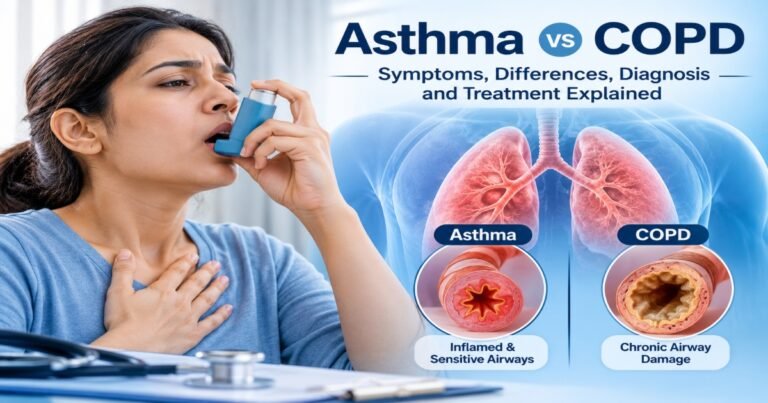


Winter in Delhi-NCR often brings more than cold mornings and foggy roads. Rising air pollution, vehicle emissions, construction dust and other pollutants can make outdoor air unhealthy to breathe. For many families in Ghaziabad, Noida and nearby areas, winter pollution is a growing health concern that deserves attention.
But have you ever wondered why you experience frequent coughing, throat irritation, breathing discomfort or unusual tiredness during the winter season?
The answer may be related to poor air quality.
Understanding air pollution health effects is important because polluted air can affect more than just your respiratory system. Prolonged exposure to harmful pollutants may also increase cardiovascular risks and affect children’s developing lungs.
In this guide, we explain how poor AQI affects your health, who is most vulnerable, which warning signs should not be ignored and how you can protect your family during the winter months.
Why Does Air Pollution Become a Bigger Concern During Winter?
Winter weather conditions can sometimes contribute to higher concentrations of air pollutants near the ground. Lower wind speeds, temperature inversions and limited atmospheric mixing can prevent pollutants from dispersing effectively.
Several sources contribute to winter air pollution in Delhi-NCR, including:
- Vehicle exhaust and traffic congestion.
- Construction activities and road dust.
- Industrial emissions.
- Burning of waste and biomass.
- Smoke from heating and cooking fuels.
- Regional agricultural residue burning.
These pollutants can remain suspended in the air and enter the respiratory system when people breathe.
One major concern is PM2.5, which refers to fine particulate matter measuring 2.5 micrometres or less in diameter. These tiny particles can travel deep into the lungs and some may enter the bloodstream.
This is why winter air pollution in Delhi NCR should not be considered merely a visibility or environmental issue. It is also a public health concern.
Understanding AQI: What Does Poor Air Quality Mean for Your Health?
The Air Quality Index (AQI) is a measurement used to communicate the level of air pollution and its possible health impact.
In India, the National AQI categorises air quality into six levels:
| AQI Level | Category | Possible Health Impact |
| 0–50 | Good | Minimal health impact |
| 51–100 | Satisfactory | Minor discomfort in sensitive individuals |
| 101–200 | Moderate | Breathing discomfort in sensitive groups |
| 201–300 | Poor | Breathing discomfort on prolonged exposure |
| 301–400 | Very Poor | Increased risk of respiratory illness |
| 401–500 | Severe | Serious health effects, including in healthy individuals |
Children, older adults and people with existing heart or lung conditions may experience symptoms at lower pollution levels than otherwise healthy adults.
Remember that AQI can vary between neighbourhoods and monitoring stations. Checking the local AQI before outdoor activities can help you make better health decisions.
How Does Air Pollution Affect Your Lungs?
Your lungs are directly exposed to the air you breathe, making them particularly vulnerable to environmental pollutants.
Fine particles and harmful gases can irritate the respiratory tract, trigger inflammation and worsen existing respiratory conditions.
Some common air pollution health effects on the lungs include:
Persistent coughing: Repeated exposure to polluted air can irritate the airways, resulting in frequent coughing and throat discomfort.
Wheezing and chest tightness: Airway irritation may make breathing uncomfortable, especially in people with asthma or other respiratory conditions.
Shortness of breath: Some individuals may experience difficulty breathing during physical activity or even during routine daily tasks.
Worsening asthma symptoms: Air pollution can trigger asthma attacks and increase the frequency of respiratory symptoms in people with existing asthma.
Reduced lung function: Long-term exposure to air pollution is associated with impaired lung function and increased respiratory health risks.
If you already have asthma, COPD or another chronic lung condition, winter pollution may make symptom management more challenging.
Air Pollution and Heart Health: The Connection You Should Know
Many people associate pollution only with coughing and breathing problems. However, research has also established an important connection between air pollution and cardiovascular health.
Fine particulate matter can contribute to inflammation and oxidative stress. These processes may affect blood vessels, circulation and cardiovascular function.
Long-term exposure to air pollution is associated with an increased risk of:
- High blood pressure.
- Heart disease.
- Heart attacks.
- Stroke.
- Worsening of existing cardiovascular conditions.
People with diabetes, hypertension and existing heart disease should be particularly careful during periods of poor air quality.
If you experience sudden chest pain, severe breathlessness, fainting or symptoms suggestive of a heart attack, seek emergency medical assistance immediately. Do not assume these symptoms are simply caused by winter weather or pollution.
Why Are Children More Vulnerable to Winter Air Pollution?
Children need special protection because their lungs and immune systems are still developing. They also tend to spend time playing outdoors and may breathe more air relative to their body weight than adults.
Air pollution exposure can contribute to:
- Increased coughing and wheezing.
- Asthma symptoms and respiratory flare-ups.
- Respiratory infections and breathing discomfort.
- Reduced lung development and lung function.
- Greater sensitivity to environmental irritants.
Parents should pay attention when children experience repeated coughing, unusual tiredness, wheezing or difficulty breathing after outdoor activities.
How Can Parents Protect Children?
- Reduce outdoor play during high-pollution periods.
- Keep windows closed when outdoor air quality is particularly poor.
- Encourage children to wash their hands and face after returning home.
- Follow prescribed asthma treatment plans.
- Avoid exposing children to cigarette smoke and indoor pollutants.
- Consult a paediatrician if respiratory symptoms persist or worsen.
Children with asthma or recurrent respiratory problems may require additional medical guidance during the winter season.
Common Warning Signs of Air Pollution Exposure
Air pollution symptoms can differ depending on exposure levels, individual health and existing medical conditions.
Watch out for these common warning signs:
| Symptoms | What It May Indicate |
| Persistent coughing | Respiratory irritation |
| Wheezing | Narrowing or irritation of airways |
| Throat irritation | Exposure to airborne pollutants |
| Chest tightness | Possible respiratory or cardiac concern |
| Shortness of breath | Breathing difficulty requiring assessment |
| Eye irritation | Exposure to environmental irritants |
| Unusual fatigue | May accompany respiratory or other health problems |
Not every symptom is necessarily caused by air pollution. Infections, allergies, asthma and other medical conditions can produce similar symptoms.
If symptoms continue, become severe or interfere with daily activities, seek medical evaluation rather than relying only on home remedies.
10 Practical Ways to Protect Yourself from Air Pollution During Winter
You cannot completely control outdoor air quality, but you can reduce your exposure with practical precautions.
1. Check the AQI daily: Monitor local air quality before planning outdoor activities.
2. Avoid strenuous outdoor exercise: Reduce prolonged running, cycling and heavy workouts when pollution levels are high.
3. Wear a well-fitting N95 or N99 mask: When outdoor exposure cannot be avoided during poor or severe pollution, a properly fitted respirator can help reduce inhalation of fine particles.
4. Keep indoor air cleaner: Avoid smoking, incense smoke, unnecessary burning and other indoor pollution sources.
5. Consider an air purifier: A properly sized HEPA-filter air purifier may help reduce indoor particulate matter. Avoid ozone-generating devices.
6. Maintain indoor ventilation wisely: Ventilate your home when outdoor air quality improves rather than opening windows during heavy pollution.
7. Follow your prescribed medication: People with asthma, COPD or heart disease should continue their treatment as advised by their doctors.
8. Protect children and older adults: Limit their prolonged outdoor exposure during poor AQI conditions.
9. Avoid self-medication: Do not start antibiotics, inhalers or steroids without appropriate medical advice.
10. Seek medical help when necessary: Persistent coughing, worsening asthma, chest discomfort or breathing difficulty should be medically evaluated.
These precautions can reduce exposure, but they cannot eliminate all the health risks associated with air pollution.
When Should You Consult a Pulmonologist?
Not every cough or breathing problem requires specialist treatment. However, persistent or recurring symptoms should not be ignored, particularly during winter.
Consider consulting a pulmonologist if you experience:
- A cough that continues or repeatedly returns.
- Frequent wheezing or chest tightness.
- Breathlessness during routine activities.
- Repeated asthma attacks.
- Difficulty controlling existing respiratory symptoms.
- A noticeable decline in exercise tolerance.
A doctor may assess your symptoms, medical history and exposure to pollutants before recommending appropriate investigations.
Depending on the clinical situation, evaluation may include lung function testing such as spirometry, oxygen saturation measurement or chest imaging.
Early medical assessment can help identify the underlying cause and support appropriate treatment.
Why Is Winter Respiratory Health Awareness Important in Ghaziabad and Noida?
People living in urban areas such as Ghaziabad, Khora Colony and Noida Sector 62 may experience exposure to different sources of pollution, including traffic, road dust and construction activity.
For families with young children, older adults and people with existing respiratory or cardiac conditions, being aware of local AQI levels is particularly important.
Choosing timely medical consultation, following preventive measures and understanding respiratory warning signs can help families respond more confidently to seasonal health challenges.
If you are experiencing persistent breathing discomfort, recurring cough or worsening asthma symptoms, professional medical evaluation is a sensible next step.
10. Frequently Asked Questions About Air Pollution and Health
Q1. What are the major air pollution health effects?
Air pollution can affect the lungs, heart and other body systems. Common effects include coughing, throat irritation, asthma flare-ups, breathing difficulties and increased cardiovascular health risks.
Q2. Can poor AQI cause breathing problems?
Yes. Exposure to polluted air can irritate the respiratory tract and worsen asthma or other existing lung conditions. Prolonged exposure may also contribute to reduced lung function.
Q3. Does winter pollution increase asthma symptoms?
Winter pollution can trigger or worsen asthma symptoms in susceptible individuals. Cold air and respiratory infections may also contribute to flare-ups.
Q4. How does air pollution affect children’s health?
Children may experience coughing, wheezing, asthma symptoms and respiratory irritation. Long-term exposure can also affect healthy lung development.
Q5. Can air pollution affect heart health?
Yes. Exposure to fine particulate matter is associated with cardiovascular inflammation and an increased risk of conditions such as heart disease and stroke.
Q6. Which mask is best for protection against air pollution?
A properly fitted N95 or N99 respirator can help reduce exposure to airborne fine particles. Fit and consistent use are important for effective protection.
Q7. When should I visit a pulmonologist in Ghaziabad?
Consult a pulmonologist if you have persistent coughing, repeated wheezing, unexplained breathlessness, frequent asthma flare-ups or worsening respiratory symptoms.
Protect Your Respiratory Health This Winter with SR Hospital & Maternity Centre
Winter air pollution is not just an environmental concern; it is a health issue that deserves attention from every family.
Understanding AQI levels, recognising early warning signs and taking preventive steps can help reduce your exposure to harmful pollutants. However, persistent coughing, wheezing, chest discomfort or breathing difficulties should never be ignored.
At SR Hospital & Maternity Centre, Khora Colony, Ghaziabad, near Noida Sector 62, patients can explore specialist consultation and healthcare support across multiple departments, including Pulmonology, Cardiology, Paediatrics and General Medicine.
If you or a family member is experiencing respiratory symptoms this winter, contact the hospital for appointment and service availability.
Breathe better by staying informed. Protect your family with timely medical care.
This article is for general health awareness and does not replace a consultation with a qualified doctor. In an emergency, call 85888 26726 or go to the nearest emergency department.