


Diabetes, hypertension and thyroid disorders may cause few symptoms even when control changes. Follow-up frequency depends on diagnosis, medicines, results, age, pregnancy and other risks—not a universal internet timetable.
Why Diabetes, High BP and Thyroid Problems Need Follow-Up
High blood pressure and raised glucose can damage organs quietly, while thyroid symptoms may be mistaken for ordinary fatigue, stress or weight change. Follow-up is therefore based on measured control and risk, not symptoms alone. HbA1c reflects average glucose exposure over roughly two to three months, but the interval for repeating it depends on treatment changes and stability. Blood pressure benefits from repeated, correctly taken readings rather than one anxious measurement.
How Often Should HbA1c, Blood Pressure and TSH Be Checked?
TSH monitoring depends on the diagnosis, medicine dose, pregnancy status and how recently treatment changed. Testing too soon after a change may not show the stable effect, while long gaps may miss loss of control. Bring home logs, prescriptions and laboratory reports to the same review. The clinician can then assess trends, technique, side effects, kidney and cardiovascular risk, and whether treatment genuinely needs adjustment.
Home Readings and Reports to Bring to Your Doctor

For how often to check diabetes blood pressure and thyroid, a dated record is more useful than a long list of internet possibilities. The following steps help preserve the details a clinician may need:
- Keep a current medicine list and do not change doses from one home reading.
- Bring home blood-pressure or glucose logs with dates and context.
- Complete tests at the interval advised and discuss trends rather than isolated values.
- Report dizziness, fainting, chest pain, severe headache or new weakness promptly.
Do not label how often to check diabetes blood pressure and thyroid from one symptom or home reading. Persistence, recurrence and its effect on sleep, food, movement, work or school help determine when a routine general physician review is reasonable.
Diabetes and Blood Pressure Warning Signs That Need Urgent Care
The following warning signs change how often to check diabetes blood pressure and thyroid from an information question into an urgent-care decision. If the person is severely unwell, use local emergency services instead of waiting for an online reply or routine booking:
- Chest pain, severe breathlessness or one-sided weakness
- Confusion, seizure or loss of consciousness
- Very high or very low glucose symptoms with vomiting or dehydration
- Severe headache with neurological symptoms
The threshold for assessing how often to check diabetes blood pressure and thyroid may be lower during pregnancy, infancy or older age, and with immune suppression, recent surgery, significant injury or serious existing disease. Worsening symptoms deserve timely in-person care.
How a General Physician Reviews Chronic Disease Control
A general physician may review blood pressure technique, HbA1c or glucose trends, kidney health, lipids, TSH and symptoms. Targets and test intervals should be individualized.
Before a visit about how often to check diabetes blood pressure and thyroid, write down onset, progression, relevant exposures, current medicines and previous episodes. Bring actual reports. This makes it easier to select tests that answer a clinical question and avoid unfocused testing.
Diabetes, BP and Thyroid Follow-Up in Ghaziabad
For people in Ghaziabad and nearby areas seeking an assessment for how often to check diabetes blood pressure and thyroid, SR Hospital and Maternity Center provides access to general physician services. Urgent symptoms need immediate care; stable or recurring concerns can be booked for a focused consultation.
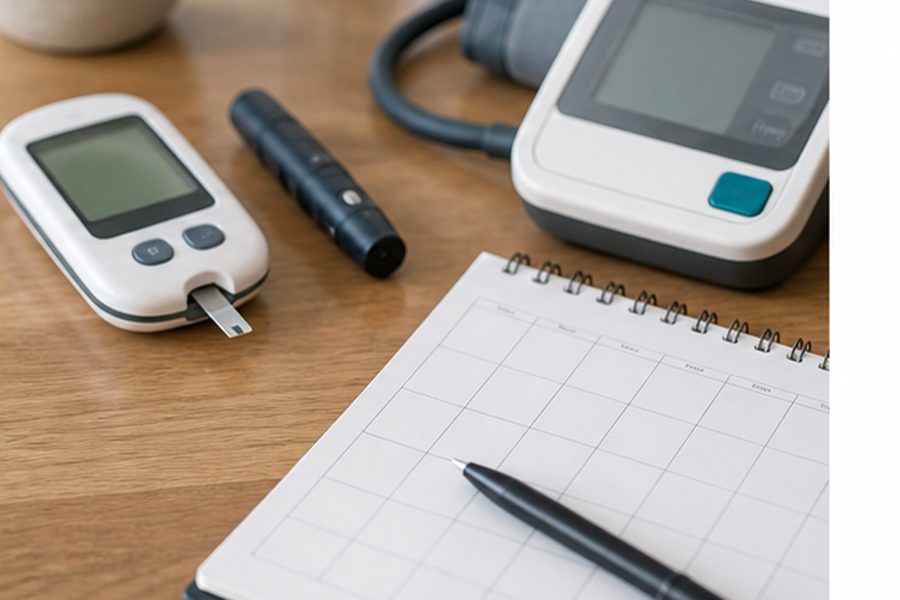
For this general physician visit, bring identification, prescriptions, allergy details, prior reports and a short timeline. If how often to check diabetes blood pressure and thyroid changes while waiting, reassess urgency rather than assuming the original booking plan remains appropriate.
FAQs About How Often To Check Diabetes Blood Pressure And Thyroid
How often should HbA1c be checked?
The key point about how often to check diabetes blood pressure and thyroid is that the main symptom must be read alongside timing, severity and associated changes. High blood pressure and raised glucose can damage organs quietly, while thyroid symptoms may be mistaken for ordinary fatigue, stress or weight change. Follow-up is therefore based on measured control and risk, not symptoms alone.
How often should blood pressure be monitored?
Keep a current medicine list and do not change doses from one home reading. Bring home blood-pressure or glucose logs with dates and context.
When should a thyroid test be repeated?
Testing for how often to check diabetes blood pressure and thyroid is selected after the history and examination. A general physician may review blood pressure technique, HbA1c or glucose trends, kidney health, lipids, TSH and symptoms. Targets and test intervals should be individualized.
Can I change medicine based on one home reading?
For how often to check diabetes blood pressure and thyroid, the safe answer depends on age, accompanying symptoms, medicines and existing conditions. Do not change treatment or preparation from a general article; follow individual clinical instructions and seek help if the condition worsens.
What records should I bring to a chronic-care follow-up?
For an appointment about how often to check diabetes blood pressure and thyroid, bring a clear timeline, current medicines and available records. Seek urgent help for chest pain, severe breathlessness or one-sided weakness, confusion, seizure or loss of consciousness, or any rapidly worsening change rather than waiting for routine care.
Final Thoughts
Understanding how often to check diabetes blood pressure and thyroid can help you make safer, more confident decisions. Pay attention to changes, seek timely medical care when symptoms persist or worsen, and read our blogs for more practical health information.